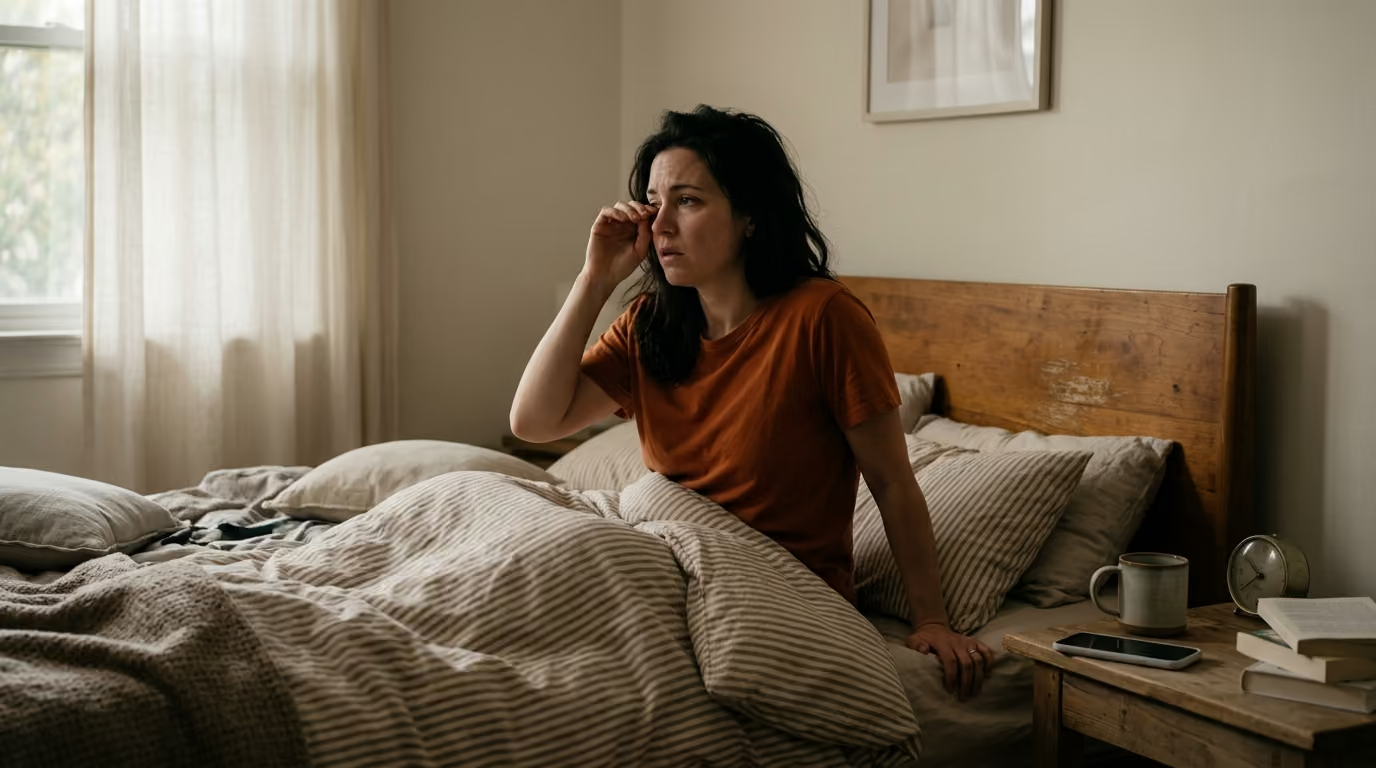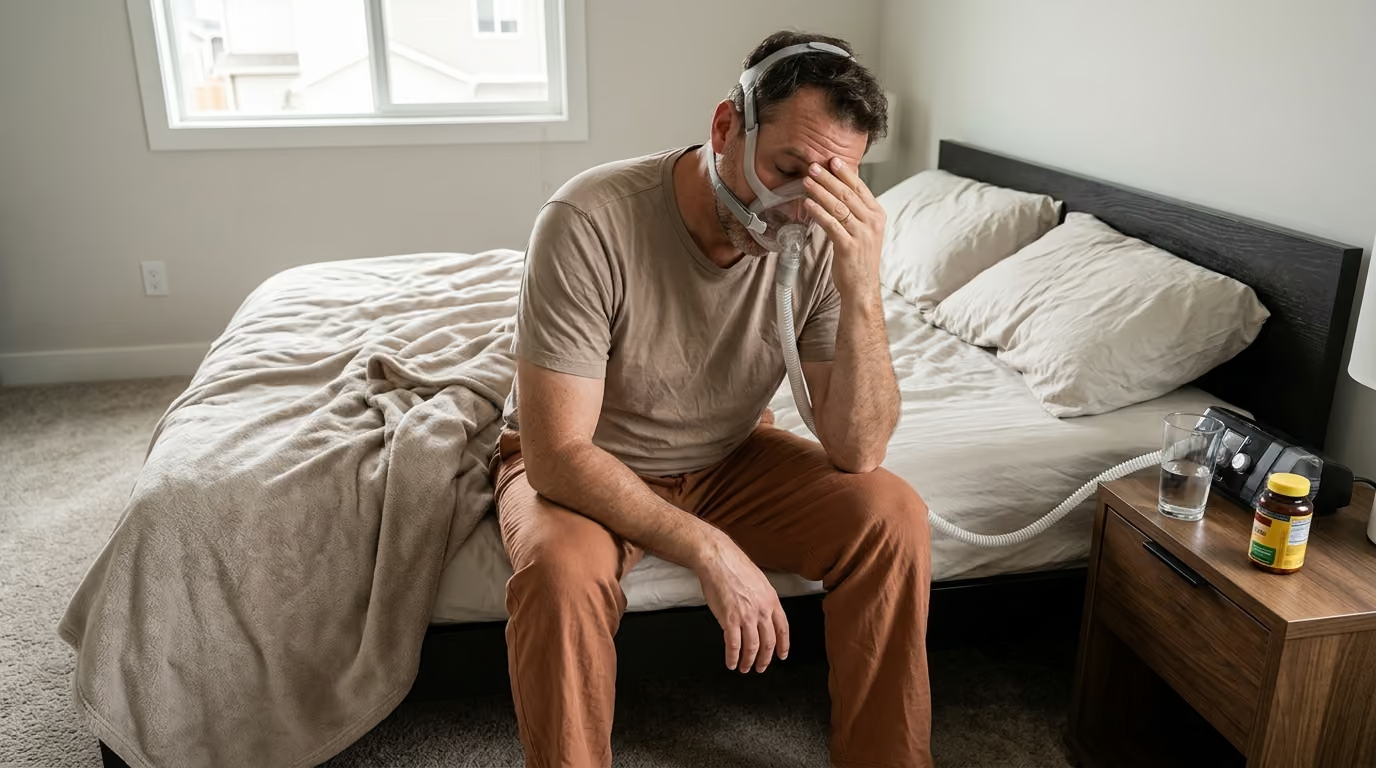

Waking up exhausted after eight hours in bed often signals that nightly breathing pauses are quietly disrupting your metabolism and blood sugar.





Many people view sleep apnea as nothing more than annoying snoring or a minor inconvenience. In reality, sleep-disordered breathing acts as an around-the-clock metabolic disruptor. It directly influences blood pressure, insulin sensitivity, and daytime energy regulation across a wide range of body sizes.
Obstructive sleep apnea is a chronic medical condition where upper airway collapse repeatedly interrupts nocturnal respiration. These interruptions trigger intermittent drops in blood oxygen and fragment normal sleep architecture. Over time, these nightly events drive sympathetic nervous system stress that can worsen cardiometabolic health.
Understanding how sleep apnea connects to metabolic regulation allows you to take informed action. Proper testing, targeted clinical therapy, and sustainable lifestyle support can protect both your cardiovascular health and your daily quality of life.
Sleep apnea is a broad term for repeated breathing pauses during sleep. To evaluate symptoms accurately, clinicians distinguish between distinct physiological presentations.
Obstructive sleep apnea, known as OSA, is the most common form. In OSA, the physical tissues of the throat relax and collapse into the airway during sleep. This physical obstruction reduces airflow despite continuous efforts by the chest and diaphragm to breathe.
Central sleep apnea, or CSA, occurs through a different physiological pathway. In central apnea, the airway remains open, but the brain temporarily fails to transmit the signal to breathe. CSA is often linked to underlying cardiovascular conditions, neurological disorders, or certain medications such as prescription opioids.
Some individuals experience a mixed or complex pattern featuring both obstructive and central events. Because the underlying causes differ fundamentally, obstructive events and central events require separate diagnostic evaluations and distinct treatment approaches.
Clinical guidelines from the American Academy of Sleep Medicine define OSA by measuring breathing events per hour of sleep. An individual receives a diagnosis if they have at least five obstructive events per hour accompanied by typical symptoms. A frequency of 15 or more events per hour confirms the diagnosis even in the absence of obvious daytime complaints.
When reviewing sleep testing data, clinicians use precise technical measurements:
Clinicians categorize adult OSA severity into standard diagnostic bands based on the overall AHI score:
These numerical brackets provide a standard baseline for clinical communication. However, the total number of events per hour does not reflect the entire health picture. The depth of oxygen drops, total time spent below 90 percent oxygen, sleep position, and coexisting health conditions also shape long-term health outcomes.
Obstructive sleep apnea places direct mechanical and chemical stress on the cardiovascular and endocrine systems. When breathing stops, blood oxygen levels fall, an event known as intermittent hypoxia. Simultaneously, carbon dioxide levels rise inside the bloodstream.
This chemical shift alerts the brainstem to a life-threatening emergency. The central nervous system triggers a rapid neurological arousal to force the airway muscles open. As the person gasps or snorts to reopen their throat, the body releases a surge of catecholamines, including adrenaline and noradrenaline.
This sudden sympathetic activation causes acute increases in heart rate and systemic blood pressure. In healthy individuals, blood pressure naturally dips by 10 to 20 percent during deep sleep. In moderate or severe sleep apnea, repetitive adrenaline surges prevent this normal nighttime dip, sustaining high vascular pressure around the clock.
Intermittent hypoxia also impairs cellular insulin signaling. The sustained release of stress hormones stimulates the liver to release stored glucose into the bloodstream. At the same time, adrenaline reduces insulin-mediated glucose uptake in skeletal muscle tissue.
Over time, this cycle creates systemic low-grade inflammation and oxidative stress within vascular endothelial cells. The biological result is a persistent state of cellular insulin resistance and endothelial stiffening. This mechanism helps explain why untreated sleep-disordered breathing frequently tracks alongside metabolic dysregulation.
Recognizing sleep-disordered breathing can be challenging because the most obvious symptoms occur while you are unconscious. Many individuals remain unaware of their breathing patterns until a bed partner observes them. Gathering a full clinical picture requires looking at nighttime, morning, and daytime patterns.
Nighttime signs involve both audible cues and frequent sleep disruptions:
Snoring is a primary indicator for clinical evaluation, but snoring alone does not confirm sleep apnea. Many people snore without experiencing airway collapse, while others have clinically significant OSA with minimal snoring.
The chronic sleep fragmentation caused by airway collapse takes a heavy toll during waking hours. Daytime manifestations extend far beyond standard tiredness:
Morning headaches are a common feature of sleep apnea, but they remain nonspecific. They can also stem from teeth grinding, dehydration, caffeine withdrawal, or migraine disorders. Experiencing frequent morning headaches warrants an evaluation that looks at sleep patterns alongside other potential causes.
The historical medical stereotype of sleep apnea centered almost exclusively on middle-aged men with large neck circumferences. Current research from the National Heart, Lung, and Blood Institute shows that sleep apnea occurs across all sexes, body shapes, and ages.
Women with OSA frequently present with atypical symptoms. Rather than reporting loud snoring or dramatic choking spells, women more often report chronic fatigue, insomnia, morning headaches, or mood changes. These subtle presentations can lead to misdiagnoses of depression, primary insomnia, or age-related fatigue.
Older adults may also show less dramatic snoring patterns. In this group, frequent night urination, balance issues, mild memory changes, and unrefreshing sleep are often wrongly dismissed as normal aging.
Severe daytime sleepiness presents immediate physical risks. Falling asleep while driving or operating equipment is a serious hazard linked to untreated sleep apnea. If you find yourself fighting sleep at traffic lights or drifting out of your lane, avoid driving and seek medical evaluation promptly.
Metabolic health describes how effectively the body produces, uses, and stores energy across its lifespan. It encompasses blood pressure, lipid clearance, glycemic control, liver fat balance, and body composition. Evaluating sleep quality is a key part of our approach to evidence-led metabolic wellness.
Sleep apnea frequently clusters with metabolic syndrome. The American Heart Association and the National Heart, Lung, and Blood Institute define metabolic syndrome as the presence of three or more specific cardiometabolic risk markers:
Metabolic syndrome is a valuable framework for assessing risk rather than a single illness. A person can have obstructive sleep apnea without metabolic syndrome, just as metabolic syndrome can develop without sleep apnea. However, the presence of one significantly raises the clinical suspicion for the other.
The relationship between sleep apnea and body weight operates in a continuous, two-way loop. Excess soft tissue in the neck, soft palate, and pharyngeal walls increases the physical likelihood of upper airway collapse during sleep.
At the same time, the sleep fragmentation caused by untreated OSA impairs daytime metabolic function. Chronic sleep disruption alters appetite signaling, specifically ghrelin and leptin, which can increase cravings for quick-digesting carbohydrates. Severe daytime fatigue also lowers spontaneous physical activity, making consistent energy balance more difficult to maintain.
Even so, clinicians emphasize that excess weight is not required for sleep apnea to develop. Mandibular structure, tongue size, tonsillar hypertrophy, and nasal resistance can cause severe airway collapse in lean individuals.
Understanding the strength of clinical research helps prevent unrealistic expectations regarding sleep apnea interventions. Sleep medicine is backed by strong clinical trials, but the data must be interpreted carefully.
A comprehensive global epidemiological analysis published in The Lancet Respiratory Medicine modeled sleep apnea prevalence across international populations. The researchers estimated that roughly 936 million adults aged 30 to 69 worldwide have mild to severe obstructive sleep apnea. Furthermore, approximately 425 million adults live with moderate to severe disease that warrants clinical treatment.
National health reports from the American Academy of Sleep Medicine indicate that roughly 30 million adults in the United States have OSA. Notably, sleep medicine researchers estimate that 80 percent of these individuals remain undiagnosed. Many people normalize their daytime exhaustion, attributing chronic fatigue to workplace stress or standard aging.
Clinical trials assessing whether treating OSA improves diabetes management show mixed results. A systematic review and meta-analysis of randomized controlled trials examined continuous positive airway pressure, or CPAP, in adults with insulin resistance. The analysis showed a statistically significant improvement in the Homeostatic Model Assessment of Insulin Resistance, known as the HOMA index, with a mean difference of -0.39.
However, multiple systematic reviews evaluating participants with established type 2 diabetes found that CPAP therapy alone did not produce meaningful reductions in glycated hemoglobin (HbA1c). Fasting blood glucose levels also remained largely unchanged across 12-week and 24-week trials.
These findings show that while treating sleep apnea reduces acute sympathetic stress and supports cellular insulin sensitivity, it does not replace conventional glycemic management. Nutrition, physical activity, and targeted medical therapies remain necessary to manage established diabetes effectively.
Observational studies consistently show that severe untreated sleep apnea correlates with higher rates of hypertension, cardiac arrhythmias, and stroke. However, randomized controlled trials evaluating whether CPAP prevents secondary cardiovascular events have yielded nuanced results.
The landmark Sleep Apnea Cardiovascular Endpoints (SAVE) trial evaluated CPAP plus standard medical care compared to standard care alone in over 2,600 participants with moderate-to-severe OSA and established cardiovascular disease. Over an average follow-up of 3.7 years, the trial found no significant difference in the primary composite endpoint of cardiovascular death, heart attack, or stroke.
Crucially, the average CPAP adherence in the SAVE trial was only 3.3 hours per night. This level of use leaves the airway unprotected for large portions of the sleep period. Subsequent subgroup analyses of randomized trials indicate that patients who use PAP devices for four or more hours per night achieve better reductions in cardiovascular events.
Clinical evidence confirms that treating sleep apnea reliably relieves daytime sleepiness, improves quality of life, and helps lower blood pressure. However, positive airway pressure should not be viewed as a standalone cure for complex cardiovascular disease or metabolic disorders.
Misconceptions about sleep-disordered breathing can delay proper clinical evaluation. Clearing up these common myths ensures individuals seek appropriate care before complications develop.
While loud snoring is a frequent sign, its absence does not rule out sleep apnea. Many individuals experience significant respiratory pauses with quiet, shallow hypopneas rather than resonant snoring. This is especially true for women and younger adults, who may present primarily with insomnia or daytime fatigue.
Excess weight is a major risk factor, but airway collapse also depends on anatomical structure. Narrow dental arches, an enlarged tongue, a recessed lower jaw, or chronic nasal congestion can cause severe airway collapse in lean individuals. Relying on body weight as a screening filter causes clinicians to miss many cases.
Consumer smartwatches and fitness trackers provide interesting general data on sleep duration and estimated blood oxygen levels. However, these devices lack the high-frequency sampling and diagnostic airflow sensors used in medical sleep studies. A normal average oxygen reading on a wearable does not rule out hundreds of brief sleep arousals.
Starting positive airway pressure therapy restores nighttime oxygen levels and improves waking alertness. However, CPAP is not a weight loss treatment or a cure for diabetes. Successful metabolic improvement requires combining sleep therapy with sustainable nutrition, strength training, and standard medical care.
Receiving an accurate diagnosis requires a structured clinical pathway. Trying to self-diagnose using phone apps or online quizzes can delay the correct medical care.
The evaluation begins with a comprehensive sleep and medical history conducted by a physician. Clinicians frequently use validated screening questionnaires to assess clinical risk:
These questionnaires help determine pre-test probability, but guidelines from the American Academy of Sleep Medicine state they cannot be used alone to confirm or rule out a diagnosis. Objective sleep testing is always required.
Clinicians use two primary testing methods to objectively evaluate sleep-disordered breathing:
Home sleep apnea testing offers convenience for uncomplicated patients suspected of having moderate-to-severe obstructive disease. However, because home monitors do not track brain waves, they calculate event frequency based on total recording time rather than actual sleep time. This can underestimate the severity of the condition.
If a home test returns a negative or inconclusive result while clinical suspicion remains high, your doctor may order an in-lab polysomnography to ensure accurate diagnostic scoring.
Because sleep-disordered breathing frequently coexists with metabolic issues, sleep evaluations should occur alongside cardiometabolic testing:
Addressing sleep issues while monitoring these markers allows for a comprehensive approach to health. You can read more about coordinating these markers in our guide on clinical weight science.
Treating obstructive sleep apnea requires a multifaceted approach combining medical therapies with daily habits. No single therapy fits every individual, making personalized treatment essential.
Positive Airway Pressure (PAP) therapy remains the gold standard treatment for moderate-to-severe obstructive sleep apnea. PAP machines draw in room air, filter it, and deliver gentle air pressure through a mask to keep the upper airway open during sleep.
Modern systems include Continuous Positive Airway Pressure (CPAP), which provides a steady pressure level, and Auto-Adjusting Positive Airway Pressure (APAP), which adjusts pressure breath by breath based on airway resistance.
Early adjustment challenges are common with PAP therapy. Research shows that device usage during the first month strongly predicts whether a patient will stick with the therapy at one year. Working closely with your sleep clinic to address practical issues makes a significant difference:
Regular follow-up visits and remote monitoring help resolve mask leaks, pressure issues, and skin irritation early, establishing consistent nightly use.
For individuals with mild to moderate OSA who cannot tolerate PAP therapy, custom oral appliances offer an effective alternative. These devices, fitted by qualified dental sleep medicine specialists, advance the lower jaw slightly forward to prevent the tongue and soft palate from collapsing into the airway.
Over-the-counter boil-and-bite mouthguards are not recommended for sleep apnea. They lack custom fitting, can cause painful bite shifts, and rarely maintain proper airway opening. Custom dental devices require objective follow-up sleep testing to confirm they are effectively resolving airway collapse.
In positional obstructive sleep apnea, airway collapse occurs primarily when sleeping on the back (supine position). Sleeping on your side (lateral position) uses gravity to help keep the tongue and soft tissues forward.
Alcohol, sedatives, and muscle relaxants reduce muscle tone in the upper airway, worsening both the frequency and severity of nighttime collapses. Avoiding alcohol for three to four hours before bed helps maintain airway stability throughout the night.
Addressing nasal resistance with saline irrigation or doctor-approved nasal sprays also improves sleep quality. Keeping the nasal passage clear lowers the pressure needed to keep the airway open, which can make PAP therapy more comfortable.
For individuals where excess body weight contributes to airway narrowing, gradual and sustainable weight reduction can improve OSA severity. Modest weight reductions of 10 percent can significantly lower your AHI score and reduce cardiometabolic strain.
Nutritional approaches should focus on whole, minimally processed foods that stabilize energy levels and support steady blood sugar. Severe, overly restrictive diets often backfire, causing muscle loss and rebound weight gain. For practical guidance on balanced eating, see our sustainable nutrition resources.
Physical activity and resistance training offer independent metabolic benefits regardless of weight change. Regular movement improves insulin sensitivity, increases daytime energy, and helps reduce fluid accumulation in the legs that can shift toward the neck when lying down. You can explore structured exercise routines in our strength and fitness collection.
Even after substantial weight loss, sleep apnea may persist due to underlying anatomy. Always consult your sleep physician and complete a follow-up sleep test before changing or stopping prescribed therapies.
While sleep medicine has advanced considerably, it is important to recognize what current research does and does not show. A clear understanding of these boundaries helps maintain realistic expectations for clinical care.
First, treating sleep apnea is not a standalone treatment for obesity. Using positive airway pressure prevents airway collapse, but clinical trials show it rarely produces significant spontaneous weight loss on its own. Meaningful changes in body composition still require attention to energy balance, nutrition, and daily physical activity.
Second, the physiological response to PAP therapy varies from person to person. While some individuals notice immediate improvements in daytime alertness within days, others experience a more gradual recovery over several months. Cellular healing, blood pressure stabilization, and nervous system recovery take time.
Finally, while treating sleep apnea helps lower nocturnal blood pressure and reduces sympathetic stress, it does not completely eliminate cardiovascular risk. Cardiovascular health is shaped by many factors, including genetics, diet, smoking status, and lipid levels. Sleep therapy works best as part of a comprehensive cardiometabolic care plan.
Understanding medical terminology makes it easier to review sleep study reports and discuss options with your physician:
Addressing sleep-disordered breathing requires moving from recognizing symptoms to completing clinical diagnostics and starting targeted therapies. Taking a proactive approach supports both your daily energy and your long-term cardiometabolic wellness.
Taking your sleep health seriously is a powerful, science-backed way to protect your cardiometabolic future and reclaim steady daytime energy.
WeightRestart shares research-led guidance on weight loss, metabolism, nutrition, strength, appetite, sleep and recovery. Our goal is to make complex health information clear, practical and useful for people building progress they can maintain.



Learn how to build a weight-management approach around better information, realistic expectations and habits you can keep using.
read the blog