A September 2026 wellness report explains why intense exercise alone cannot guarantee cardiometabolic health. Learn how clinical monitoring supports true wellness.





On September 11, 2026, the Times of India wellness section published new findings regarding the limitations of intense training. The report examined why highly active individuals can still develop heart disease despite their fitness routines. It highlighted that visible leanness or a demanding exercise schedule does not automatically guarantee optimal cardiometabolic function. Instead, the publication reiterated the need for a balanced approach that combines regular movement with comprehensive health monitoring.
Physical activity provides undeniable and highly documented benefits for the human body. The World Health Organization states that regular physical activity helps prevent and manage noncommunicable diseases including heart disease, stroke and type 2 diabetes. It can also help prevent hypertension, overweight and obesity over time. However, biological health is a complex system that relies on multiple lifestyle factors working together in harmony.
A demanding daily workout cannot completely override the physiological effects of poor sleep or untreated medical conditions. Chronic stress and a lack of proper recovery will eventually compromise even the most rigorous training program. We must view exercise as a crucial component of wellness rather than an absolute shield against all chronic illnesses. This perspective helps people build sustainable habits without falling into the trap of overtraining to compensate for poor recovery.
In our experience at WeightRestart, we see a parallel when people try to out-train a poor foundation. "For years, I watched smart, capable people blame themselves when standard diet advice failed them. They would cut calories drastically, run themselves into the ground and inevitably regain the weight. It was heartbreaking to see.
I realized we were treating a complex biological and psychological system like a simple math problem. That was the turning point when I knew we had to focus on metabolic health and habits rather than just restriction." Relying exclusively on intense cardio to protect your heart makes a similar mistake by reducing human biology to a single variable.
The primary mechanism of cardiovascular disease operates quietly inside our arteries and metabolic pathways. Abdominal definition and low body fat are visible traits, but they do not reveal what is happening internally. Crucial indicators like blood pressure and blood sugar remain completely invisible from the outside. Building resilience through midlife strength training requires measuring internal markers rather than assuming that an athletic appearance equals perfect health.
When we prioritize aesthetics over clinical markers, we miss vital warning signs of metabolic dysfunction. A person can have a low body fat percentage while simultaneously dealing with elevated cholesterol or high blood pressure. These hidden risk factors can quietly damage blood vessels even if the individual appears exceptionally fit. True cardiometabolic health is determined by how well the cardiovascular system functions under normal daily conditions.
The recent media conversation around this topic often leans heavily toward extremes and alarmism. The Times of India article relayed a reported clinical observation from cardiologist Dr Aseem Malhotra regarding this exact phenomenon. Through a social media post, he noted seeing individuals in their 40s and 50s who appeared highly fit but had severe heart disease. Mainstream platforms quickly amplify these anecdotes to suggest that exercise might be useless or even harmful.
The reality is far more grounded and reassuring for active adults. The data does not show that exercise causes heart disease, nor does it suggest that resting is safer. It simply proves that exercise is not an absolute shield against every possible cardiovascular complication. We must understand what training can and cannot do for our long-term wellness.
The World Health Organization clearly supports physical activity for effective disease management across all age groups. The correct takeaway is that exercise is deeply protective without being an all-purpose medical guarantee. A lean physique does not replace a clinical assessment, but a lack of athletic appearance does not automatically prove poor health either. Balancing our expectations helps us appreciate the true benefits of our daily workouts.
There is a significant biological difference between an isolated workout and total daily movement. A person might complete a strenuous morning run but remain completely sedentary at a desk for the rest of the day. The World Health Organization’s regional physical-activity guidance describes physical activity broadly as bodily movement that uses energy. This helpful definition includes sports, exercise and regular walking.
The guidance also covers everyday tasks like cycling, household chores, gardening and dancing. Breaking up prolonged sitting with these normal activities is a vital component of cardiovascular care. A structured workout is highly beneficial, but it does not fully cancel out the negative impacts of extended sitting. Movement should be woven throughout the day to support ongoing metabolic function and circulation.
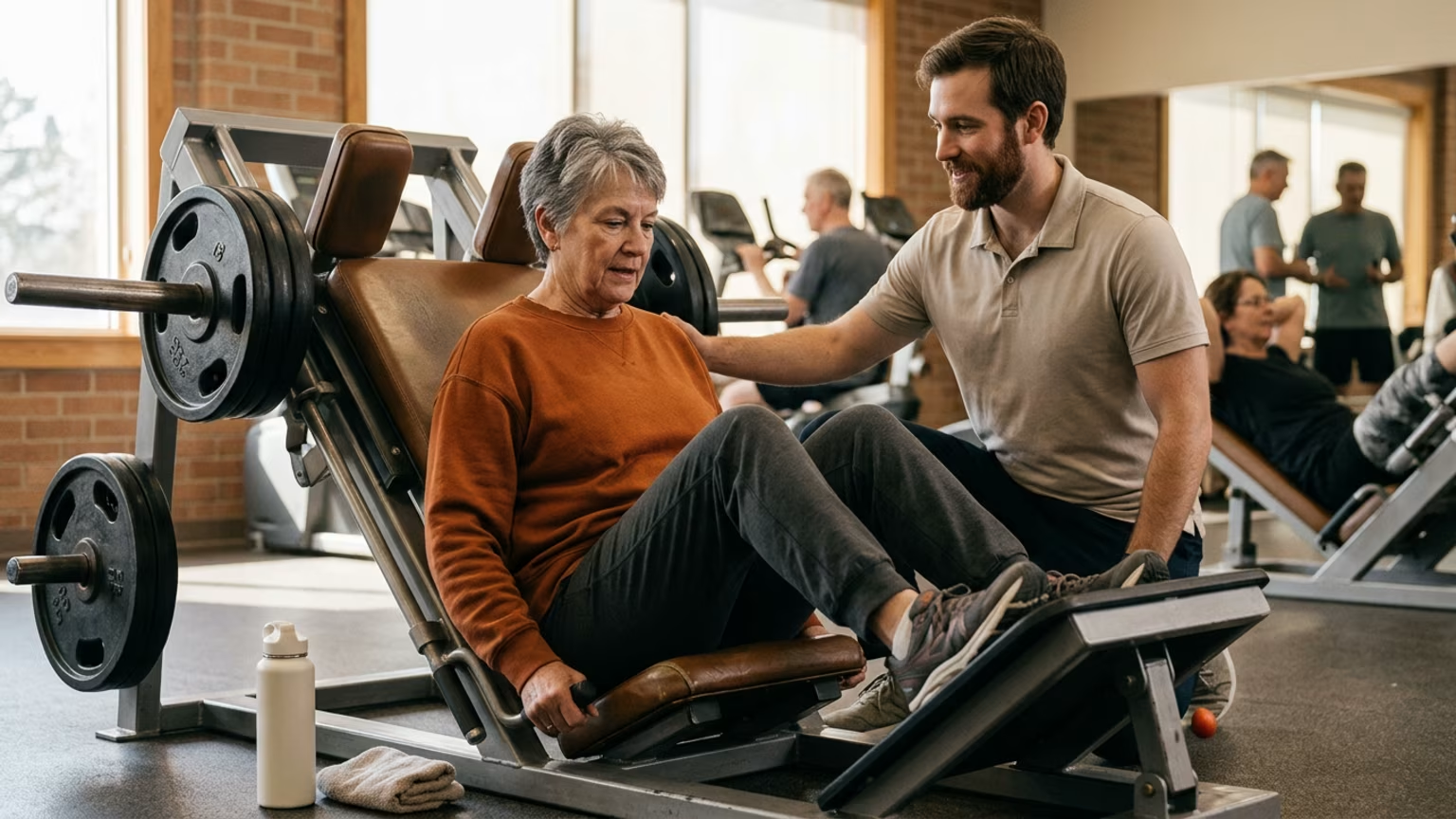
To build a sustainable baseline, experts recommend aiming for realistic and consistent weekly targets. The recent wellness report reiterates World Health Organization guidance advising adults to complete 150 to 300 minutes of moderate aerobic activity weekly. This aerobic foundation should be combined with muscle-strengthening work on at least two days per week. Integrating a balanced approach to strength and fitness helps support healthy aging without requiring extreme intensity.
Because exercise alone cannot tell the full story, clinical monitoring becomes essential for proper disease prevention. The American Heart Association says its PREVENT risk equations use several important clinical factors. These measurable elements include age, blood pressure, cholesterol and kidney function. They also factor in diabetes status and smoking history to help guide prevention decisions with a healthcare professional.
Measuring these specific markers provides a much more accurate picture of cardiovascular risk than a mirror ever could. Relying on objective medical data removes the guesswork from personal health management. It empowers patients and doctors to create personalized care plans that address specific physiological vulnerabilities. This measured approach ensures that potential issues are identified long before they become severe medical emergencies.
This comprehensive view is strongly echoed in the American Heart Association’s broader preventive frameworks. Their Life’s Essential 8 model treats physical activity as just one pillar within a wider health profile. It places exercise alongside healthy eating, tobacco avoidance and healthy sleep. The model also emphasizes healthy weight, healthy cholesterol, healthy blood sugar and healthy blood pressure to create a complete picture of wellness.
By tracking these measurable factors, adults can make informed decisions about their metabolic health. They can adjust their nutrition, prioritize their sleep and modify their training routines based on actual medical feedback. This strategy prevents the physical burnout that often accompanies extreme fitness programs. True wellness is found in balancing daily movement with proactive medical care and consistent recovery habits.
What to watch next: As the conversation around cardiometabolic health matures, researchers will likely focus on the precise interactions between sedentary time, sleep and daily exercise. Scientists need to determine how prolonged sitting specifically blunts the cardiovascular benefits of formal training sessions. We also need long-term studies evaluating how comprehensive models like the PREVENT risk equations can be better integrated into everyday fitness tracking. Until those standardized protocols emerge, adults should continue prioritizing a balanced mix of moderate movement, adequate recovery and routine medical screening.
WeightRestart shares research-led guidance on weight loss, metabolism, nutrition, strength, appetite, sleep and recovery. Our goal is to make complex health information clear, practical and useful for people building progress they can maintain.





Learn how to build a weight-management approach around better information, realistic expectations and habits you can keep using.
read the blog