
Endocrinology specialists recommend managing festive meals through balanced portions of protein and fiber rather than relying on next-day dietary restriction.





On September 25, 2026, ETV Bharat published a comprehensive report on managing festive eating for people living with diabetes, which was updated on October 2. Endocrinology specialists from hospitals in Mumbai and Bengaluru outlined actionable strategies for handling celebratory meals without resorting to extreme measures. Their primary recommendation focused on managing overall food combinations and portion sizes rather than treating traditional foods as forbidden.
Translating clinical recommendations into daily habits requires understanding how the body processes different macronutrients during a meal. When a person consumes carbohydrates alone, the digestive system rapidly breaks them down into glucose. This quick conversion often leads to a sharp rise in blood sugar levels. Adding other macronutrients fundamentally alters the speed and intensity of this biological process.
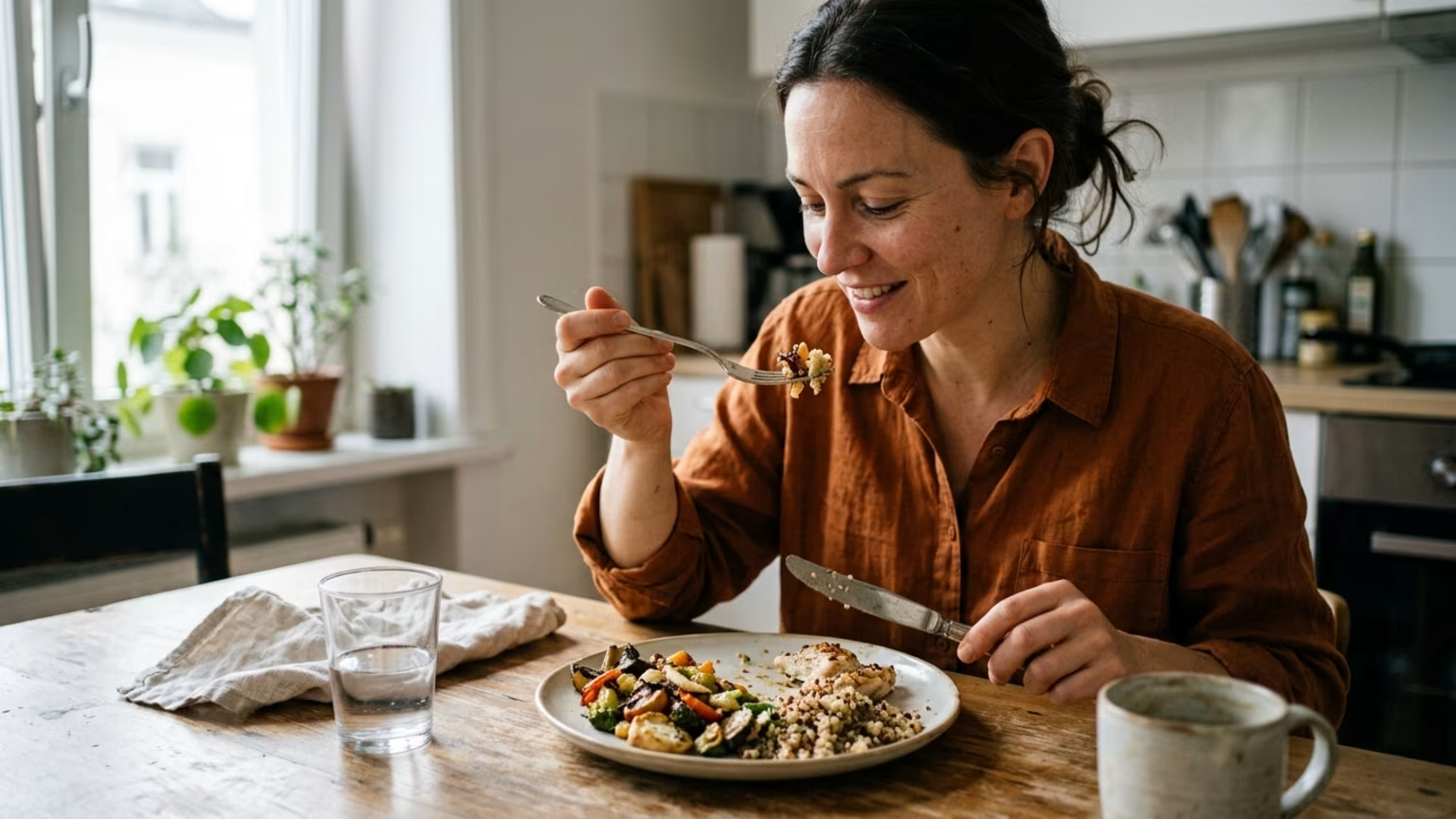
ETV Bharat highlighted a practical plate model designed to help stabilize these metabolic responses. This specific template allocates 50 percent of the plate to non-starchy vegetables. Another 25 percent is dedicated to protein sources such as dal, tofu, or paneer. The remaining 25 percent consists of whole-grain carbohydrates like roti, brown rice, or millet.
This strategic arrangement of food serves a vital physiological purpose during digestion. The dietary fiber found in non-starchy vegetables adds physical bulk to the stomach, which slows the absorption of sugars into the bloodstream. Protein further extends the digestion timeline and promotes a lasting feeling of fullness. Together, these elements make it much easier to achieve energy balance without obsession during complex social events.
The endocrinologists emphasized that this sample plate should serve as a helpful starting point rather than a rigid prescription. The article explicitly noted that food portions must always be tailored to an individual's specific energy needs. Dr Ameya Joshi is a consultant endocrinologist at Bhaktivedanta Hospital and Research Institute in Mumbai. He noted that dietary needs vary significantly based on individual factors like age and weight.
Medication, physical activity, and other health conditions also play a major role in how someone should eat. Because of these individual variables, there is no single diet suitable for everyone with diabetes. Dr Joshi advised making room for favorite foods according to portion size, frequency, and overall health status. He strongly cautioned against overly restrictive diets that ignore personal preferences.
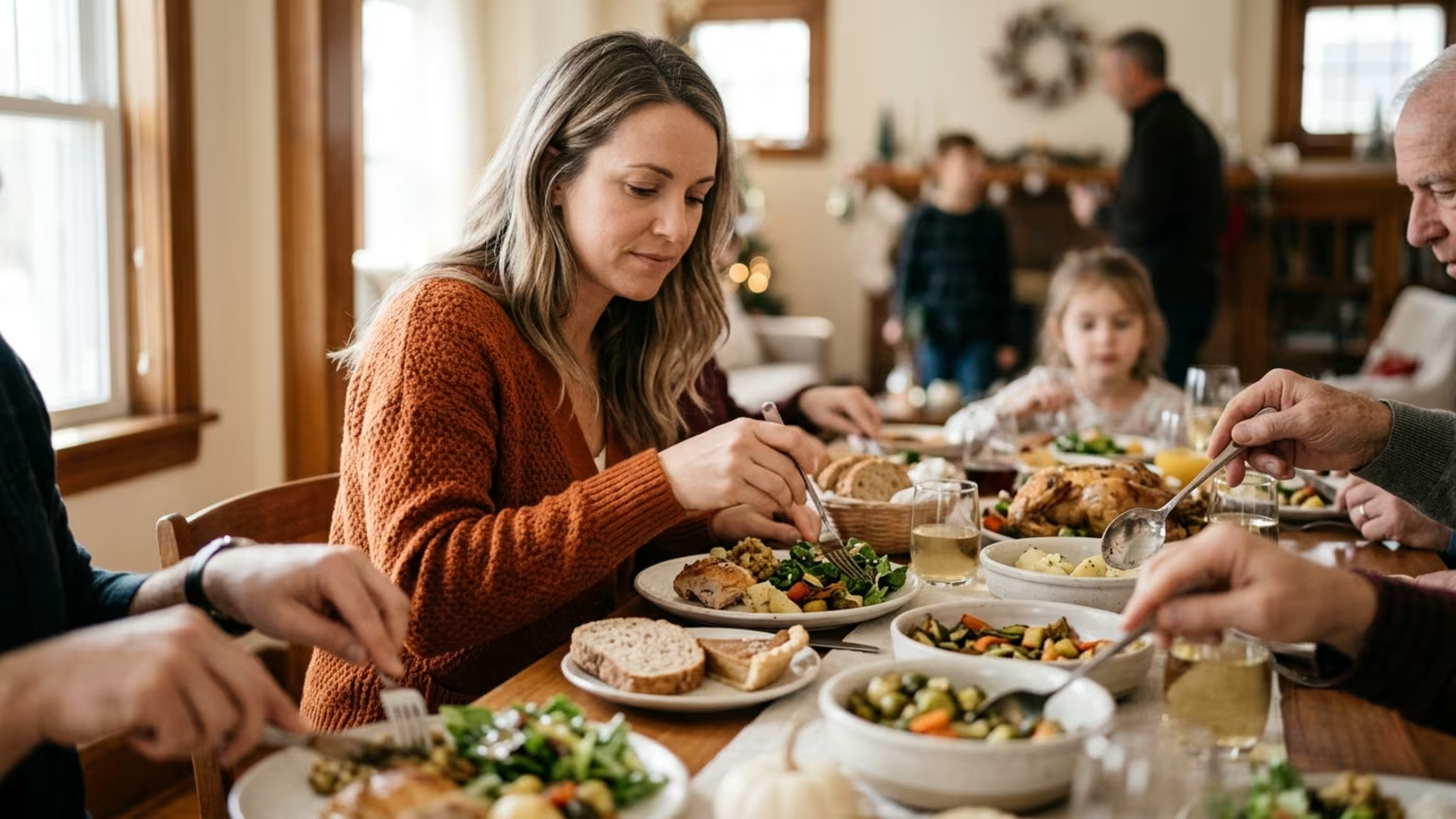
Dr Mahesh D M serves as a senior consultant in endocrinology at Aster CMI Hospital in Bengaluru. He recommended eating small portions of favorite foods and pairing them deliberately with vegetables and protein. He also suggested choosing just one or two festive dishes rather than attempting to sample everything on the table.
Dr Srinivasa Phanidhar Munigoti is a consultant in endocrinology at Fortis Hospital in Bengaluru. He echoed these sentiments by stating that quantity and frequency matter most during celebrations. He recommended balancing richer festive dishes with a healthy serving of vegetables, salad, or protein-rich foods.
This clinical advice reinforces the idea that adding nutrient-dense options is more effective than cutting out joy entirely. By prioritizing fiber and protein, individuals can modify their body's glycemic response to traditional sweets or heavy curries. This approach allows people to participate fully in cultural events while respecting their metabolic limits.
Mainstream health media frequently promotes a cycle of heavy indulgence followed by intense dietary restriction. Articles often suggest starving the next day to compensate for eating a large celebratory meal. The reality presented by the medical data contradicts this punitive approach entirely. ETV Bharat reported that the specialists explicitly advise against skipping meals or starving the next day.
This compensatory behavior can create immediate and dangerous metabolic consequences. Dr Mahesh D M cautioned that meal skipping can trigger low blood sugar in some patients. This risk is particularly high for individuals taking insulin or certain other diabetes medications. Severe drops in blood sugar require immediate medical attention and disrupt metabolic stability for days.
He also warned that skipping meals may cause excessive hunger, which frequently leads to overeating later in the day. The safest and most effective strategy is simply returning to a normal routine. Dr Mahesh D M advised patients to resume their regular meal plan rather than trying to compensate for the previous day. Navigating social eating successfully means breaking the restriction overeating cycle and maintaining long-term consistency.
The article advises readers to watch portions, stay hydrated, and continue their usual exercise routine after an event. Maintaining these habits prevents the biological stress that accompanies sudden caloric restriction. Our bodies prefer predictability, and drastic changes in food intake only confuse our internal regulatory systems.
Another area of intense media hype involves alternative sweeteners and packaged diet products. Many people assume that items labeled as "sugar-free" provide a harmless way to enjoy sweets. However, the article noted that "sugar-free" products may still contain significant amounts of carbohydrates and calories. Traditional natural sweeteners like jaggery and honey can also raise blood glucose levels substantially.
To combat this confusion, the publication recommends checking detailed nutrition information rather than relying on front-of-pack marketing claims. People must understand exactly what they are consuming to maintain stable blood sugar levels. Furthermore, the article explicitly warns readers not to change their diabetes medication without consulting a doctor first.
Understanding why specialists recommend increasing protein and vegetables requires looking at broader population trends. ETV Bharat cited an analysis of 18,090 adults from the ICMR-INDIAB survey to provide context for Indian dietary patterns. This extensive survey reported that carbohydrates contributed 62.3 percent of daily energy intake for the participants. In contrast, protein accounted for only 12 percent of their daily energy intake.
These figures are presented purely as context for common dietary habits, rather than as evidence that everyone should follow a particular macronutrient ratio. However, they highlight a common baseline imbalance where traditional meals lean heavily on starches. Shifting those proportions by increasing protein and fiber can drastically improve post-meal glucose stability. The ultimate goal is to optimize carbohydrates and metabolic health by pairing them intelligently.
When protein intake sits at just 12 percent of total energy, individuals often struggle with premature hunger. Protein is highly satiating, meaning it keeps the stomach full and signals the brain to stop eating. By incorporating dal, tofu, or paneer as a quarter of the plate, people naturally reduce their reliance on large carbohydrate portions.
A separate 2026 consensus report on managing type 2 diabetes further supports this highly individualized framework. The consensus report states that no single ratio of carbohydrate, protein, and fat intake is optimal for everyone with type 2 diabetes. Instead, it recommends personalized eating patterns that account for individual preferences, cultural context, and clinical goals. This aligns perfectly with the specialists' warnings against one-size-fits-all dietary rules.
When managing blood sugar during celebrations, single metric anomalies are common and expected. Dr Munigoti noted that one high glucose reading after a celebratory meal is typically not a reason to panic. The recommended response involves prescribed medication, proper hydration, and returning to the usual eating plan while monitoring readings. Individuals should seek professional advice if high readings persist or remain above their clinician's specific target.
Learning to implement these practical plate models takes time and deliberate practice. By focusing on adding nutrient-dense foods, individuals can transform how they approach social dining. This approach replaces strict portion cuts with a focus on building meals that keep you full. It allows people to enjoy cultural traditions without compromising their long-term health objectives.
As nutritional science continues to advance, clinicians will need more precise frameworks for managing social eating scenarios. Future research must evaluate how different combinations of specific festive foods impact continuous glucose profiles over time. Investigators should also examine how returning to baseline habits compares to various short-term behavioral interventions. Until those findings emerge, the most reliable strategy remains individualized care, moderate portions, and consistent daily routines.
WeightRestart shares research-led guidance on weight loss, metabolism, nutrition, strength, appetite, sleep and recovery. Our goal is to make complex health information clear, practical and useful for people building progress they can maintain.




Learn how to build a weight-management approach around better information, realistic expectations and habits you can keep using.
read the blog