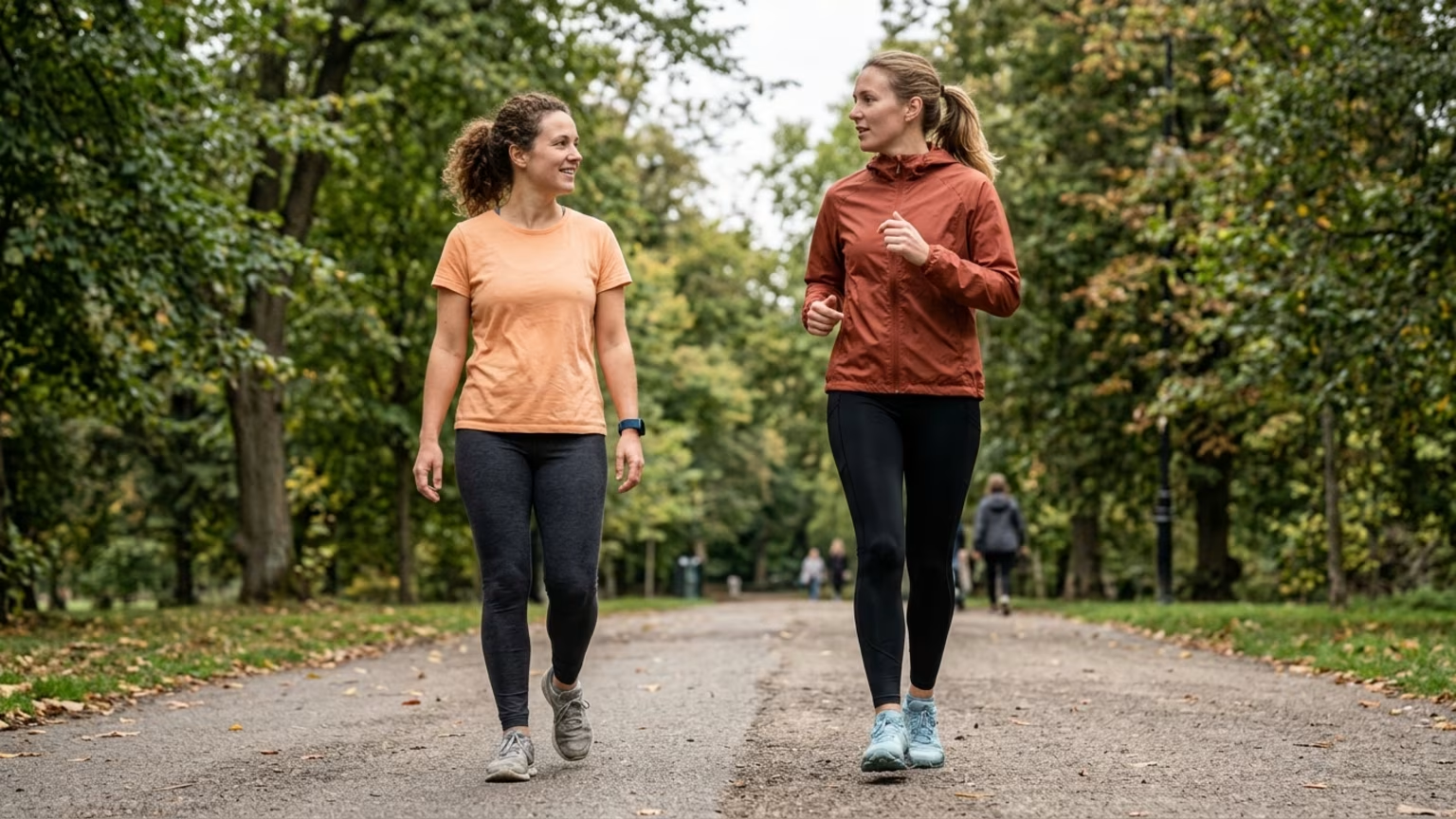

A September 2026 report reveals clinicians now prioritize consistent, sustainable exercise like walking over the higher per-session calorie burn of running.





On September 12, 2026, The Week India published new findings regarding the comparison between walking and running for weight loss. The report concluded that the most useful exercise is not necessarily the activity with the highest calorie burn. Instead, clinicians are increasingly prioritizing the activity a person can continue regularly over time. The article notes that while running burns more calories in a single session, walking is gentler.
Walking is also less injury-prone and more likely to be maintained consistently by most adults. The report frames sustainable weight management around maintaining a manageable calorie deficit through regular activity. It strongly cautions against adopting a painful approach that may be impossible to sustain. This shift highlights a broader clinical move away from the traditional model of punishing workouts.
Current weight-management guidance increasingly treats physical activity as one part of a broader long-term strategy. This comprehensive view includes nutrition, strength training, and behavior change. Exercise is no longer viewed as a stand-alone method for rapidly reducing body weight. This modern perspective aligns perfectly with a body-neutral approach to metabolic health.
When comparing exercise modalities, the biological response involves more than just a simple energy calculation. Running is classified as a vigorous-intensity activity. It demands significant cardiovascular exertion, requires greater mechanical force on the joints, and places a higher recovery burden on the body. A single running session undeniably uses more energy than walking the same duration.
However, this higher acute energy expenditure does not automatically translate into superior long-term metabolic health. Weight management involves an entire ecosystem of factors like sleep, appetite, nutrition, and daily recovery. A high-calorie-burn workout is less helpful if it leaves a person too exhausted to move the next day. This is why the latest guidance encourages treating physical activity as a sustainable lifestyle habit.
For years, I watched smart, capable people blame themselves when standard diet advice failed them. They would cut calories drastically, run themselves into the ground and inevitably regain the weight.
It was heartbreaking to see. I realized we were treating a complex biological and psychological system like a simple math problem. That was the turning point when I knew we had to focus on metabolic health and habits rather than just restriction.
Walking acts as a moderate-intensity aerobic activity that supports lasting change without severely taxing the central nervous system. Because walking is a low-impact activity, it does not inflict the same micro-trauma on muscle fibers that vigorous running does. This means a person can comfortably walk every day without accumulating dangerous levels of physical fatigue. Frequent moderate activity helps regulate appetite signals rather than triggering the intense hunger that often follows vigorous exercise.
The distinction between calories burned per session and activity completed consistently is highly significant. It is especially relevant for adults who are restarting exercise after repeated dieting or periods of inactivity. Higher-intensity options may simply not be the ones they can maintain over a busy work week. By focusing on completed sessions and weekly minutes, adults can track meaningful progress without unnecessary physical stress.
Mainstream fitness culture often measures the success of a workout by the amount of sweat produced. This framing suggests that a painful approach is required for valid physical activity. The reality presented by recent clinical consensus is quite different. The report from The Week India clarifies that treating exercise discomfort as proof of effectiveness is often counterproductive.
Clinicians actively discourage this mindset, favoring movement that adults can perform repeatedly without burning out. The mainstream narrative insists that running is universally better for fat loss because of the math. However, weight change is never just a matter of willpower or sheer physical effort. It depends heavily on total energy intake, regular activity, sleep quality, and underlying health conditions.
Therefore, a direct comparison between walking and running cannot determine an individual's expected progress on its own. The reality is that brisk walking, gentle jogging, or a combination of both are all valid choices. The best option is the one that is safe, enjoyable, and realistic for your specific life circumstances. Using consistency as the primary success metric is far more useful than judging every workout by its calorie display.
Public health guidelines reinforce this balanced perspective. The commonly cited benchmark for adults recommends 150 to 300 minutes of moderate aerobic activity per week. Alternatively, adults can target 75 to 150 minutes of vigorous activity. The guidance provides clear examples of how to categorize different movements based on exertion.
It identifies brisk walking specifically as a moderate-intensity activity, while running is firmly categorized as a vigorous-intensity activity. Adults can mix and match these intensities throughout the week based on their current recovery status. Importantly, these benchmarks are public-health targets rather than mandatory starting lines for beginners. People should begin with manageable amounts and increase their activity gradually.
Furthermore, aerobic activity should not stand completely alone. The same adult guidance calls for muscle-strengthening work on at least two days per week. Adding resistance exercise ensures that adults preserve functional muscle mass while managing their weight over time. You can learn more about why walking requires resistance training for metabolic health to round out a complete movement routine.
Running or jogging can be used as an optional progression for people who truly enjoy it. It should not be treated as a compulsory upgrade from walking. Focusing on a comprehensive movement routine yields better results than simply tracking cardiovascular output.
Recent studies provide concrete observations on how moderate and vigorous activity impacts long-term health metrics. A 2026 study in the journal Obesity examined the effects of diet-induced weight loss on cardiovascular risk factors. This study observed healthy premenopausal women with overweight. The researchers reported that weight loss accompanied by lifestyle interventions improved predicted 10-year cardiovascular and diabetes risk.
These improvements were noted whether the participants utilized aerobic exercise, resistance exercise, or no exercise alongside their nutritional changes. Because the cohort study focused specifically on healthy premenopausal women with overweight, the results cannot automatically be generalized to everyone. Men, postmenopausal women, or individuals with established chronic diseases might see different specific risk reductions. However, the data supports the broader clinical view that improving body composition yields meaningful cardiometabolic benefits.
Additionally, a 2026 systematic review indexed on PubMed evaluated how exercise impacts age-related bone density decline. This extensive review analyzed 124 trials involving a total of 18,429 participants aged 40 and older. The researchers found low- to moderate-certainty evidence that brisk walking, jogging, and combined aerobic-resistance exercise support bone density. These activities were associated with attenuating the natural decline in bone health that occurs in midlife.
The authors of the review categorized much of this evidence as low to moderate certainty. Therefore, these findings should not be presented as definitive proof that one specific exercise mode is flawless for every adult. Instead, the data adds context to why clinicians recommend a mixed approach. Combining weight-bearing aerobic movement like walking with regular strength training creates a robust foundation for aging well.
Understanding this balanced methodology helps adults build an energy balance without obsession. It proves that consistency matters far more than intensity alone. Adults with significant pain, mobility limitations, or cardiovascular symptoms should seek professional advice before increasing their activity levels. A gradual progression from comfortable walking to faster intervals is appropriate for people concerned about joint pain.
As the medical community shifts its focus from sheer calorie expenditure toward long-term adherence, future research must evolve. We need long-term studies comparing the five-year adherence rates of brisk walking versus running in previously sedentary adults. Furthermore, research should investigate how varying combinations of moderate cardio and strength training impact diverse groups. Studies focusing on postmenopausal women and individuals with metabolic conditions will be particularly valuable.
Moving forward, the scientific community must also evaluate how physical activity intersects with sustainable eating patterns. Exercise alone should not be framed as a guaranteed solution to yo-yo dieting without addressing nutrition. Future clinical trials must investigate how modest calorie deficits interact with different movement modalities.
Until we have more granular data on personalized exercise prescription, the clinical consensus remains clear. The most effective movement pattern is the one that fits into your daily schedule seamlessly. We encourage adults to find a systems approach to weight loss that supports their specific needs. By choosing sustainable habits over extreme workouts, you can protect your metabolic health for the long term.
WeightRestart shares research-led guidance on weight loss, metabolism, nutrition, strength, appetite, sleep and recovery. Our goal is to make complex health information clear, practical and useful for people building progress they can maintain.


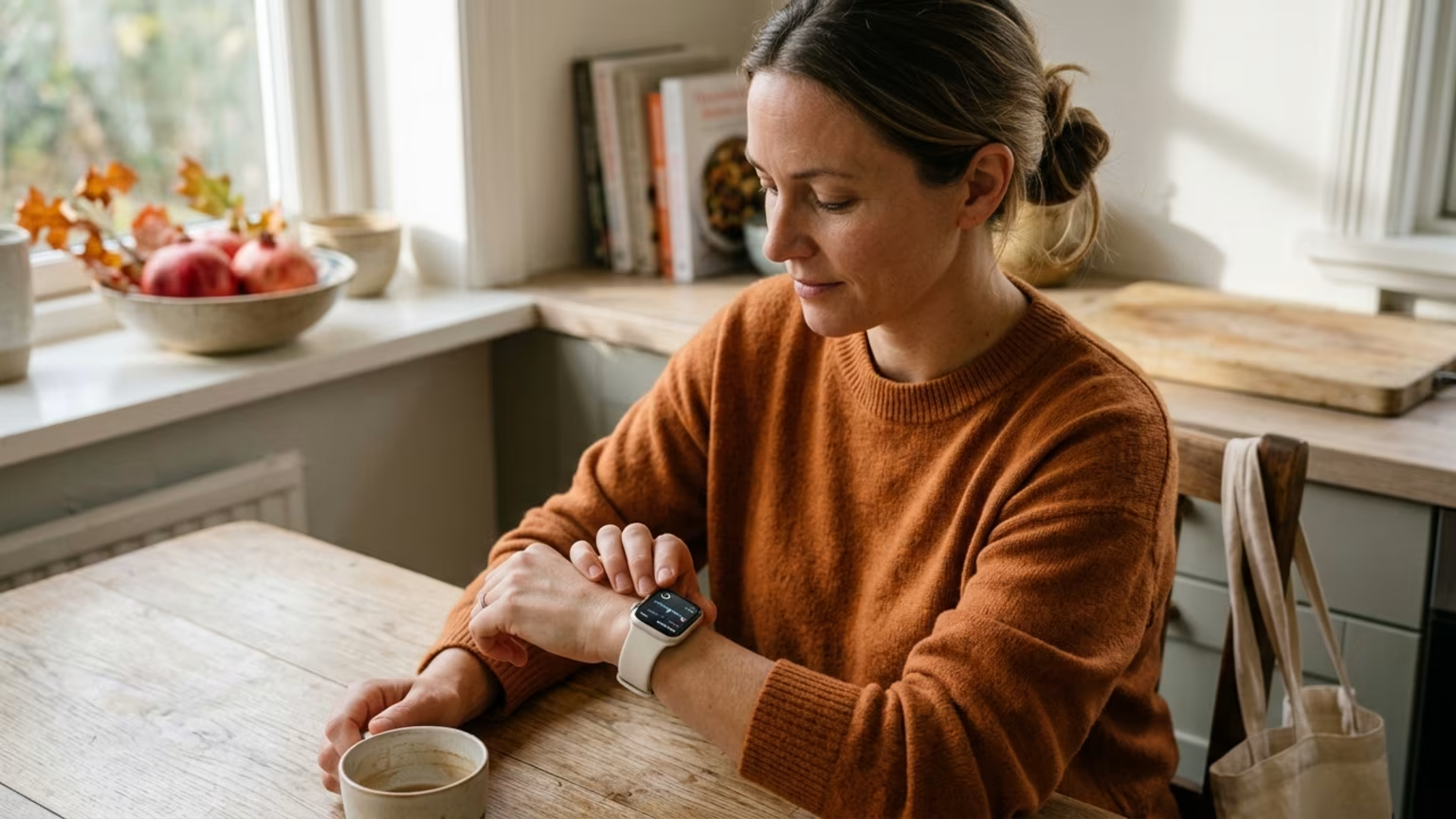



Learn how to build a weight-management approach around better information, realistic expectations and habits you can keep using.
read the blog