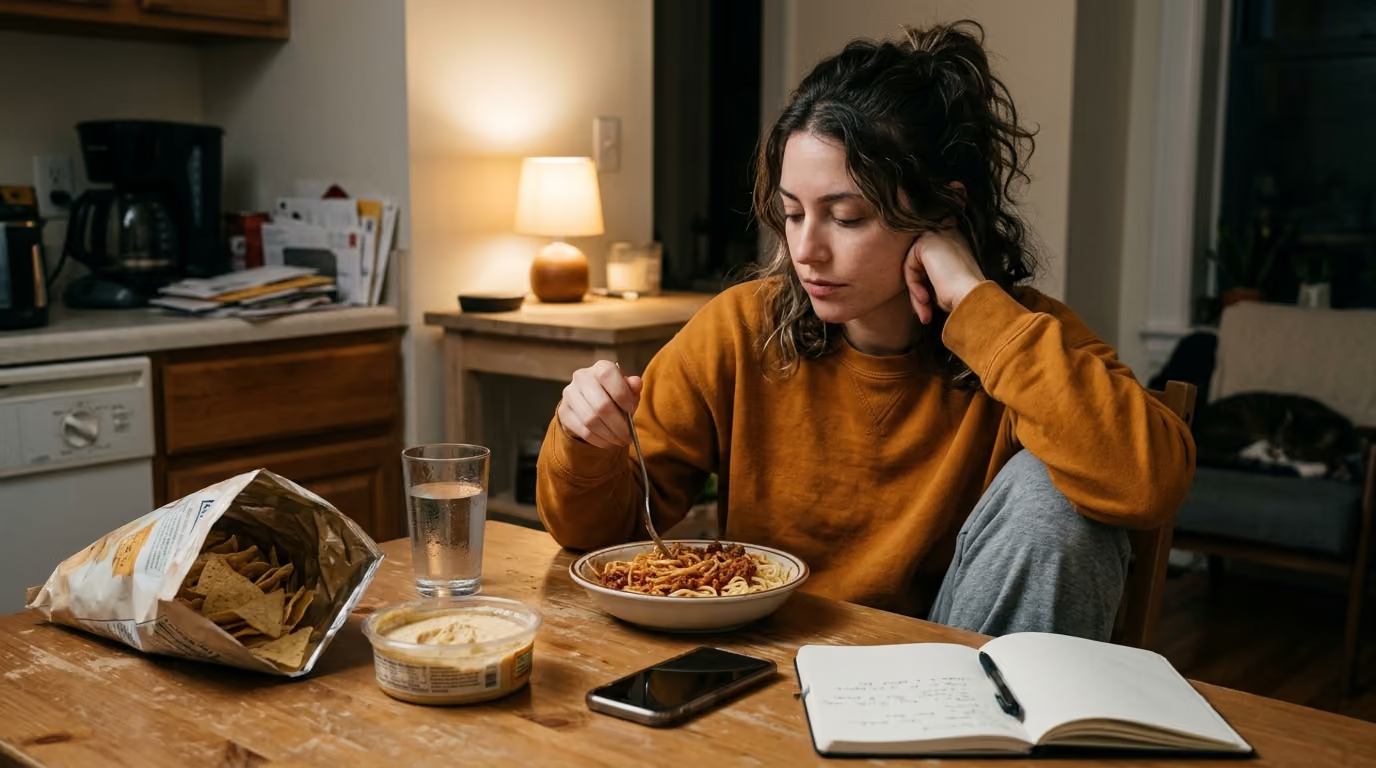

Four core biological nutrient groups provide the foundation for building balanced, sustainable daily meals across any traditional cultural food framework.





Culturally flexible nutrition is an evidence-based approach that treats healthy eating as a set of adaptable biological principles rather than a rigid, culturally specific meal plan. It is not an abandonment of nutritional science, nor is it simply adding a few token recipes to a standard Western diet. This guide details how metabolic physiology, cultural foodways, economic realities, and household dynamics interact, providing a practical framework to build sustainable, nourishing meals within any culinary tradition.
Human metabolism does not require a single specific food or cultural cuisine to function optimally. The body requires essential macronutrients, micronutrients, hydration, and dietary fiber. The digestive tract breaks down carbohydrates into simple sugars, dietary proteins into amino acids, and fats into fatty acids and glycerol. These physiological requirements operate independently of whether those nutrients originate from brown rice, plantains, corn tortillas, millet, quinoa, or wheat bread.
Satiety signaling and metabolic regulation depend heavily on the physical structure and biochemical composition of a meal. Ingesting dietary fiber delays gastric emptying, moderating the rise of postprandial blood glucose and stimulating the release of satiety hormones like peptide YY and glucagon-like peptide-1. Consuming adequate protein stimulates muscle protein synthesis, supports lean mass retention, and increases thermogenesis regardless of whether the source is tofu, lentils, eggs, poultry, fish, or beef. Micronutrient absorption relies on the presence of vitamins and minerals across a diverse array of plant and animal sources.
When nutrition guidance insists that health can only be achieved through specific items like plain steamed broccoli and skinless chicken breast, it confuses the nutrient vehicle with the nutrient itself. This confusion creates unnecessary psychological resistance and physiological friction. A diet that ignores cultural identity often leads to poor adherence, elevated stress, and subsequent weight regain. Adapting evidence-based principles to familiar food systems respects both human biology and human behavior.
Metabolic health improves when people consume nutrient-dense foods consistently over long periods. Nutrient density refers to the concentration of beneficial vitamins, minerals, fiber, and lean protein relative to total energy. This density can be achieved across any culinary tradition by combining staples, aromatics, and produce in balanced proportions. The objective of sustainable nutrition is to optimize these biological pathways while preserving the cultural connection and sensory pleasure that make eating sustainable.
The scientific evidence supporting culturally tailored nutrition interventions is robust and growing, though notable research gaps remain. The United States Department of Agriculture completed an evidence scan examining 178 studies on culturally responsive dietary interventions. This scan evaluated how adapting nutrition guidance to cultural contexts influenced dietary intake, health markers, and diet-related psychosocial factors.
The evidence scan revealed that culturally tailored programs consistently improved key health outcomes. The most frequently measured outcomes across the 178 studies were growth, body composition, obesity risk, and overall dietary intake. Among these, 117 studies specifically evaluated body composition or weight-related metrics, while 109 studies measured dietary intake changes. Participants in culturally tailored programs showed significant increases in fruit, vegetable, and fiber consumption alongside improvements in blood pressure and glycemic markers.
Systematic reviews evaluating tailored lifestyle interventions for adults of diverse ancestral backgrounds show meaningful improvements in glycemic management. A 2022 systematic review of lifestyle interventions for adults of Black African ancestry found consistent reductions in hemoglobin A1C levels. The review highlighted that utilizing familiar foods, community settings, and culturally trusted facilitators were the strongest predictors of program success. Similarly, systematic reviews of plant-based cultural interventions found marked improvements in blood lipid profiles, body mass index, and nutritional self-efficacy.
Despite these positive findings, the broader research base remains uneven. The USDA evidence scan noted that relatively few studies have evaluated long-term cardiovascular disease endpoints, psychosocial stress indicators, or postpartum weight changes. Furthermore, cultural adaptation alone cannot completely eliminate disparities caused by structural economic barriers. The scientific literature confirms that while cultural tailoring significantly improves dietary adherence and clinical markers, it must be combined with realistic economic and environmental strategies to achieve lasting success.
Individual food choices do not occur in a vacuum. Eating behaviors are heavily dictated by the local food environment, economic security, and household infrastructure. The 2020 to 2025 Dietary Guidelines for Americans explicitly state that dietary advice must account for personal preferences, cultural traditions, and budgetary limits to be effective. When nutritional advice ignores these structural factors, it fails to produce workable real-world solutions.
Data from the USDA Economic Research Service highlights the extent of economic constraints on nutrition. In 2024, approximately 13.7 percent of United States households, representing 18.3 million homes, experienced food insecurity at some point during the year. Furthermore, 5.4 percent of households experienced very low food security, characterized by disrupted eating patterns and reduced food intake due to a lack of resources. Globally, reports from the Food and Agriculture Organization and the World Health Organization indicate that healthy diets remain unaffordable for more than two billion people.
Food environments also determine which ingredients are physically accessible. A food environment includes convenience stores, traditional grocers, street vendors, and food assistance programs within a given geographic radius. Neighborhoods with limited transportation or few full-service grocery stores make sourcing fresh specialty ingredients difficult and expensive. Additionally, many households lack the luxury of extensive prep time, high-end cooking appliances, or generous cold storage space.
Cultural foodways and food sovereignty provide essential context for understanding how communities feed themselves. Foodways encompass the cultural, social, and economic practices relating to the production and consumption of food. Food sovereignty centers on a community's right to define its own agricultural and food systems. Preserving traditional foodways maintains community connection and intergenerational knowledge. Nutrition advice is far more sustainable when it respects these systems rather than imposing an external, standardized meal template.
To better understand how internal and external environments interact to drive daily nutrition choices, learning more about the broader weight management science helps ground these concepts in physiology and behavioral reality.
Culturally flexible eating is built on a practical framework called Anchor, Add, and Adjust. This method allows you to optimize the nutritional value of any cuisine without discarding traditional recipes or cultural staples.
The first step is identifying the core staple of your meal. This staple is the anchor that provides cultural connection, comfort, and baseline energy. An anchor might be long-grain white rice, corn tortillas, cassava, yams, wheat naan, plantains, or rice noodles.
Traditional dietary programs often make the mistake of demanding that clients eliminate their staple carbohydrates entirely. This approach usually backfires because it creates feelings of deprivation and disconnects individuals from family meals. In the flexible model, the anchor remains a respected, central part of the plate.
Once the anchor is established, the next step is adding components that improve satiety, slow glucose absorption, and provide essential micronutrients. Many traditional cuisines already contain these elements, but modern schedules or commercial preparation can sometimes crowd them out.
Consider which elements can be added to your foundational dish:
Adding these components increases meal volume and nutritional density without requiring you to cook an entirely separate meal.
The final step is adjusting specific culinary variables that might work against your metabolic or cardiovascular goals. These adjustments should preserve the original flavor profile while improving health markers.
Key adjustments include:
Using this three-part method helps align traditional meals with evidence-based nutrition and eating strategies that support metabolic health over the lifespan.
Dietary modifications should never be presented as an all-or-nothing demand. The Food Substitution Ladder offers four distinct tiers of dietary adaptation, allowing you to choose the level of change that matches your readiness, health goals, and culinary preferences.
Level 1 requires no changes to the ingredients or cooking methods of your family recipes. Instead, you simply shift the physical proportions of the foods served onto your plate.
If a typical meal consists of a large bowl of white rice topped with a small portion of meat and minimal vegetables, you shift the balance. You serve a moderate portion of rice, increase the portion of stewed meat or tofu, and add a generous ladle of vegetable soup or sauteed greens. The identity of the meal remains unchanged, but the macronutrient and fiber balance improves significantly.
Level 2 involves making a single ingredient swap within an existing, beloved recipe to improve its nutrient density or lower its sodium or saturated fat content.
Examples of Level 2 swaps include:
Level 3 takes the traditional aromatic and flavor base of a cuisine and applies it to a different meal structure. This allows you to retain familiar, comforting tastes while significantly changing the baseline nutrient profile.
For instance, you can use the aromatic profile of a traditional tomato, onion, and chili sofrito to simmer a high-protein bean and turkey chili. You can use the ginger, scallion, and soy flavor profile of a stir-fry to dress a warm bowl of edamame, shredded cabbage, and grilled fish. The format shifts, but the cultural flavor memory remains intact.
Level 4 involves experimenting with entirely new recipes or cuisines that expand your nutritional options. Crucially, these new dishes are introduced to expand variety rather than erase your heritage. A person might enjoy eating traditional Caribbean stewed chicken several nights a week while also incorporating a Mediterranean lentil soup or a Japanese-style miso tofu bowl on other evenings.
Understanding how to modulate food environments and meals step-by-step is an essential tool for managing long-term hunger and habit cues effectively.
Translating nutrition science into real life becomes complicated when a single household contains multiple generations, conflicting medical needs, or religious obligations. A culturally flexible strategy provides practical systems to handle these overlapping demands.
Managing health conditions like type 2 diabetes or hypertension does not require cooking completely separate meals from the rest of your family. Doing so increases cooking fatigue, drives up grocery expenses, and creates social alienation.
For type 2 diabetes, the National Institute of Diabetes and Digestive and Kidney Diseases recommends meal patterns built around nonstarchy vegetables, lean protein sources, and complex carbohydrates. Rather than banning carbohydrate staples like rice, plantains, or flatbreads, apply the plate method within shared dishes. Serve the protein and vegetable components generously, and tailor the starch portion to individual metabolic needs and medication regimens.
For hypertension, emphasize increasing potassium-rich foods like leafy greens, beans, and squash while moderating added sodium. Prepare the base dish with moderate salt, and use fresh herbs, citrus, chili pastes, or low-sodium condiments at the table so family members without blood pressure concerns can adjust their seasoning individually.
Religious fasting periods, such as Ramadan, Yom Kippur, or Christian Lent, significantly alter meal timing, hydration, and food selection. Nutrition strategies must work alongside these spiritual practices rather than treating them as nutritional interruptions.
During fasting periods with pre-dawn or post-sunset eating windows:
Households often include young children with emerging taste preferences and older adults who may experience reduced appetite, dental challenges, or chewing difficulties.
To satisfy multiple generations without cooking multiple dinners:
By designing flexible meals that accommodate varying health goals, you create a foundation for sustainable metabolic health for the entire family.
Several persistent myths distort how culture and nutrition interact. Addressing these misconceptions helps dismantle unnecessary guilt and provides clearer paths toward sustainable health.
A widespread misconception in commercial diet culture is that traditional, non-Western cuisines are inherently too high in carbohydrates, sodium, or fat to support metabolic health. Critics often point to white rice, fried staples, or fatty cuts of meat used in traditional stews as evidence.
This view ignores the historical reality of global foodways. Traditional food systems across Asia, Africa, the Mediterranean, and the Americas have historically relied on abundant legumes, whole tubers, wild greens, fermented foods, seafood, and diverse herbs and spices. Modern ultra-processed ingredients, industrial frying oils, and refined sweeteners have altered food systems worldwide. Returning to the foundational principles of traditional cooking often improves dietary quality dramatically.
Another common myth is that optimal nutrition requires consuming raw salads, imported superfoods, and specialty diet products. This Western-centric view equates health with specific cultural aesthetic trends rather than biological nutrient density.
Raw kale, acai berries, and quinoa possess no unique metabolic superiority over collard greens, blackberries, or black beans. Steamed, braised, stir-fried, or stewed vegetables provide excellent micronutrient availability, often with higher digestive tolerance than large bowls of raw greens. True nutritional density can be achieved using affordable, locally available staples from any supermarket or neighborhood market.
Many people believe that using canned, dried, or frozen ingredients represents a failure of healthy eating. This belief creates immense barriers for households operating on tight budgets or with limited grocery store access.
Scientific analyses show that frozen and canned vegetables and legumes retain virtually all of their micronutrient and fiber content compared to fresh produce. Frozen vegetables are flash-frozen at peak ripeness, preserving essential vitamins. Canned beans, tomatoes, and fish are affordable, shelf-stable, and drastically reduce meal preparation time. Rinsing canned legumes and vegetables under cold water reduces sodium content significantly, making them outstanding choices for healthy meal planning.
While culturally flexible nutrition provides an adaptable framework, it is essential to recognize its limitations. Individual nutrition choices cannot fully overcome systemic public health and economic inequities.
Culturally tailored nutrition education cannot single-handedly solve issues of neighborhood disinvestment, lack of clean water infrastructure, or the existence of food deserts. When a household experiences very low food security, the primary clinical and community objective must be securing adequate, reliable caloric intake and connecting with food assistance programs, rather than focusing on dietary optimization.
Medical conditions also introduce physiological constraints that require specialized clinical guidance. Individuals with advanced chronic kidney disease must carefully monitor potassium, phosphorus, and protein intake, which may require modifying traditional staples like beans, nuts, and certain leafy greens. Those with celiac disease must strictly avoid gluten-containing grains like wheat, rye, and barley, necessitating careful sourcing of traditional sauces and spice blends to prevent cross-contact.
Physical kitchen infrastructure represents another practical constraint. Individuals living in single-room occupancies, shelters, or transitional housing may only possess a microwave or a single hot plate, with zero freezer storage. In these circumstances, standard culinary advice regarding batch cooking or complex scratch recipes is impractical. Nutrition plans must meet people where they are, utilizing microwave-safe staples, shelf-stable proteins, and pre-cut produce to build realistic, nourishing meals.
Cultural humility is the lifelong practice of self-reflection, self-critique, and respectful inquiry regarding cultural differences. In healthcare and nutrition, it means that clinicians and educators do not assume they know everything about a patient's food traditions. Instead, they position the individual as the ultimate expert on their own household customs, culinary preferences, and daily constraints.
A dietary pattern refers to the overall combination, variety, and frequency of foods and beverages an individual consumes over an extended period. Rather than judging individual foods in isolation as inherently good or bad, nutritional science evaluates health outcomes based on the broader, long-term pattern of eating.
Foodways encompass the complete cultural, economic, historical, and social practices surrounding the production, preparation, consumption, and sharing of food within a community. Understanding foodways ensures that nutrition advice respects the deep communal, ceremonial, and emotional meanings tied to daily meals.
Putting culturally flexible nutrition into practice requires simple, sustainable steps that fit your real-world routine. Follow these actionable steps to build balanced meals within your favorite culinary traditions:
The standard divided plate method can be difficult to apply to mixed dishes where grains, meats, and vegetables are cooked together. To balance mixed dishes, focus on the overall ratio of ingredients in the cooking pot or across your serving bowl. You can increase the volume of vegetables and legumes added directly into the stew while keeping the meat and cooking oil at moderate levels. Alternatively, enjoy a standard serving of your traditional stew and pair it with a simple side dish of steamed greens, sliced cucumbers, or a light vegetable broth.
Avoid overhauling traditional family recipes all at once, which often causes friction at the dinner table. Instead, use Level 1 or Level 2 of the Food Substitution Ladder. Keep the main family dish exactly as it has always been prepared, but serve extra vegetable side dishes or high-protein additions on the side for anyone who wants them. You can also make subtle, single-ingredient swaps that do not alter the core flavor, such as using low-sodium broths or blending pureed lentils into rich sauces.
Nutrient-dense eating can be affordable when built around culturally diverse, shelf-stable staples. Dried and canned beans, lentils, chickpeas, eggs, canned sardines, and frozen vegetables are among the most cost-effective, nutrient-dense foods available in modern grocery stores. Buying bulk staples like rice, cornmeal, or whole oats further reduces the cost per serving. Planning meals around weekly grocery store sales and utilizing frozen produce minimizes food spoilage, allowing you to build nourishing meals without overspending.
Cultural celebrations and holiday feasts serve essential social, emotional, and spiritual functions that extend far beyond physical nourishment. Approaching these occasions with rigidity or guilt often leads to emotional distress and social isolation. Enjoy traditional celebratory foods mindfully as part of the occasion, recognizing that a few celebratory meals do not define your long-term dietary pattern. Focus on staying well-hydrated, returning to your regular Anchor, Add, and Adjust routine during everyday meals, and preserving the joy of shared heritage.
WeightRestart shares research-led guidance on weight loss, metabolism, nutrition, strength, appetite, sleep and recovery. Our goal is to make complex health information clear, practical and useful for people building progress they can maintain.



Learn how to build a weight-management approach around better information, realistic expectations and habits you can keep using.
read the blog