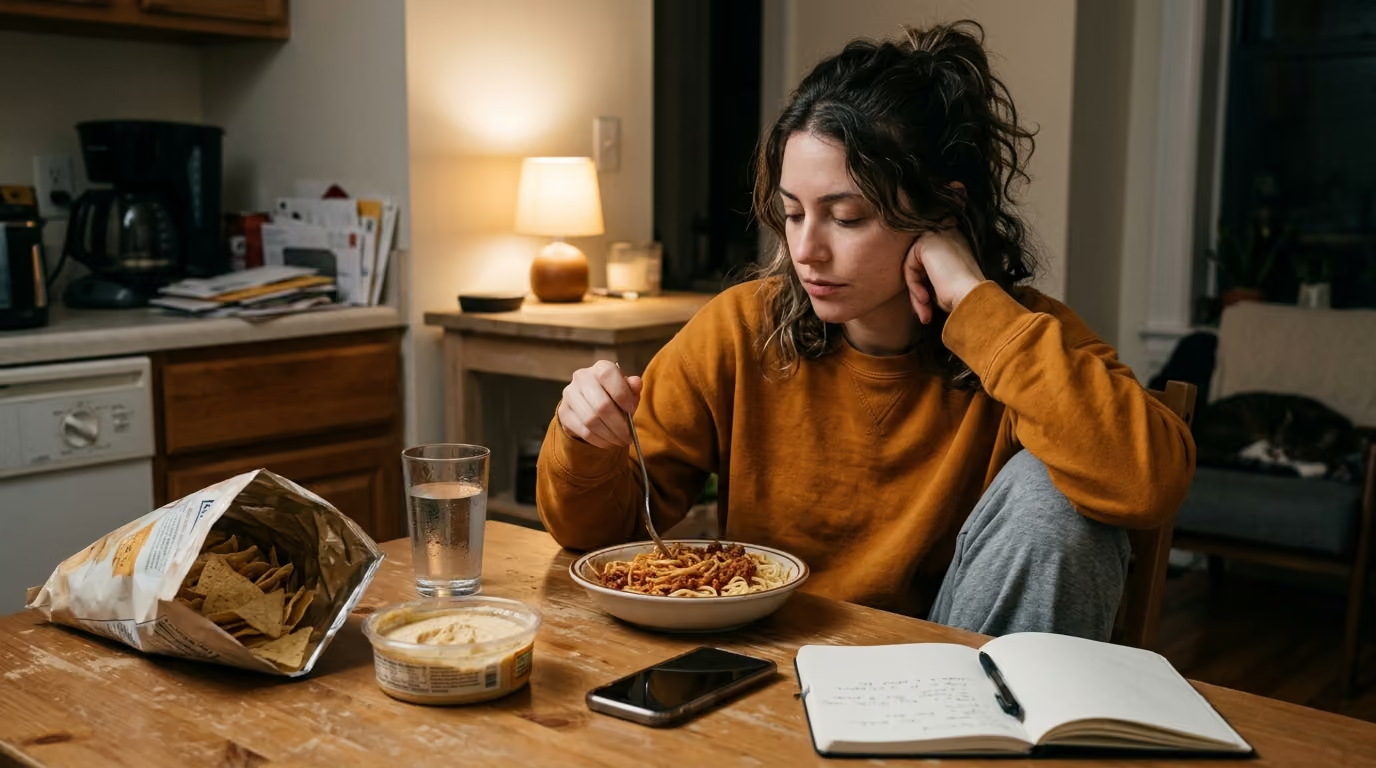

Late-night eating stems from biological triggers and daytime habits that affect your metabolic health, sleep quality, and evening appetite control.





Late-night eating is not a singular personal flaw or a simple lack of discipline. It is a multifaceted biological and behavioral pattern driven by circadian timing, daytime nutrition, sleep duration, emotional stress, and environmental cues. This comprehensive guide examines the underlying physiology of evening appetite, evaluates the clinical evidence regarding metabolic health, and provides actionable steps to establish a calm, sustainable nighttime routine.
Late-night eating occurs when substantial food intake happens close to sleep or during the biological night. Research demonstrates that eating late can alter postprandial glucose handling, shift appetite hormones, and disrupt sleep quality, especially when it produces a caloric surplus. However, addressing evening eating requires adequate daytime nourishment and stress management rather than rigid, arbitrary feeding windows.
Evening appetite exists on a wide spectrum ranging from basic physiological need to complex behavioral conditioning. Treating all post-dinner eating as an identical problem leads to inappropriate solutions. Understanding the specific nature of your evening hunger is the first step toward building a sustainable routine.
Physical hunger is a gradual, physiological signal that reflects an unmet energy need. It arises from empty gastrointestinal space, drops in circulating nutrients, or hormonal signals from the digestive tract. When you experience true physical hunger, a wide variety of nourishing foods will satisfy you.
Appetite, by contrast, is the broader psychological desire to eat. It is readily influenced by sensory stimulation, social context, environmental cues, and emotional states. You can experience robust appetite even when your stomach is full.
Cravings are targeted urges directed at specific foods or flavor profiles, such as sweet, salty, or crunchy items. Cravings frequently stem from learned reward pathways, acute stress, cognitive fatigue, or sleep deprivation. While physical hunger and cravings can happen simultaneously, cravings can also occur in a fully nourished state.
To understand late-night eating, we must distinguish between standard routines, predictable biological compensation, and clinical conditions.
Pattern A is normal, planned evening eating. This includes having a balanced snack before bed after an early dinner, eating a late meal due to work, or enjoying food during a social gathering. This pattern is not inherently problematic. Its health impact depends on overall diet quality, total energy balance, sleep consistency, and digestive comfort.
Pattern B is predictable compensatory eating. This pattern develops when an individual consumes insufficient energy or macronutrients during the morning and afternoon. By 8:00 p.m. the brain registers a severe energy deficit. This triggers an intense drive to consume calorie-dense foods rapidly, often leading to uncomfortably full states and subsequent guilt.
Pattern C is cue-driven and emotional eating. Here, eating serves as an automatic decompression tool after a demanding workday or as a habit paired with television. The primary driver is not a lack of glucose, but a need for sensory pleasure, stress relief, or mental distraction.
Pattern D is Night Eating Syndrome. Clinical criteria describe this condition as consuming at least 25 percent of total daily calories after the evening meal, waking to eat at least twice per week, or both. People with Night Eating Syndrome maintain full awareness of these episodes, often experience morning anorexia, suffer from insomnia, and believe food is necessary to fall asleep. General population prevalence is estimated between 1 percent and 2 percent, though rates are higher among clinical populations.
Pattern E is binge-eating disorder. As outlined by the National Institute of Diabetes and Digestive and Kidney Diseases, binge-eating disorder involves recurrent episodes of eating unusually large quantities of food in a short period. These episodes are accompanied by a distinct feeling of a loss of control, marked distress, and eating in secret. Binge eating can happen at any time of day and requires comprehensive, specialized psychological and nutritional care.
Pattern F is sleep-related eating disorder. Unlike Night Eating Syndrome, sleep-related eating disorder occurs while the individual is in a state of impaired consciousness or sleepwalking. People have little or no memory of the episode the next morning. It can involve consuming unusual food combinations or dangerous non-food items, requiring medical evaluation by a sleep specialist.
Evening hunger is governed by an intricate network of physiological mechanisms, neurochemical signals, and conditioned behaviors. When we evaluate late eating through a biological lens, the behavior becomes understandable and solvable.
The single most frequent driver of evening overeating is daytime under-fueling. When you skip breakfast, consume an insubstantial lunch, or eliminate carbohydrates, your body accumulates an energy debt. The physiological systems regulating survival do not operate on a 24-hour clock that resets at midnight.
When you restrict calories during your most active hours, circulating levels of the hunger hormone ghrelin rise steadily. At the same time, satiety peptides such as peptide YY and cholecystokinin drop. By the time you arrive home and relax, your metabolic drive to replenish energy overrides conscious restraint. Learning to balance your intake through structured nutrition and eating strategies prevents this severe evening rebound.
The human body operates on a central circadian clock located in the suprachiasmatic nucleus of the brain, alongside peripheral clocks in the liver, pancreas, gut, and adipose tissue. These internal clocks prepare the body for nutrient processing during the biological day and cellular repair during the biological night.
As evening approaches, the body increases melatonin production to prepare for sleep. Melatonin binds to receptors in the pancreas, which dampens insulin secretion. Consequently, consuming a large, carbohydrate-rich meal during the biological night results in higher blood glucose levels and prolonged circulation of lipids compared to eating the identical meal earlier in the day.
Controlled clinical trials demonstrate these circadian shifts clearly. In randomized crossover trials comparing late dinners at 10:00 p.m. to routine dinners at 6:00 p.m. late meals caused an 18 percent increase in peak post-meal glucose and a 10 percent reduction in dietary fat oxidation. The late meal shifted the postprandial window into the sleep period, raising nocturnal cortisol levels without altering total sleep architecture.
Meal timing directly alters appetite neurochemistry. A randomized crossover trial published in cell metabolism literature evaluated how late eating affects human physiology when nutrient intake, physical activity, and sleep were strictly controlled. Participants on the late-eating protocol ate their meals exactly four hours later than those on the early protocol.
The researchers discovered that late eating significantly increased waking hunger and altered the ghrelin-to-leptin ratio. Late eating doubled the odds of experiencing severe hunger during waking hours. Furthermore, late eating reduced waking energy expenditure by approximately 5 percent and lowered 24-hour core body temperature. These findings confirm that eating late alters internal signaling, making hunger management more difficult.
A lack of sufficient sleep powerfully amplifies evening food intake. The American Academy of Sleep Medicine and the Sleep Research Society state that adults must obtain seven or more hours of sleep per night on a regular basis to support optimal health. Consistently sleeping fewer than seven hours alters metabolic pathways and increases the risk of weight gain.
When you are sleep-deprived, prefrontal cortex activity declines, impairing executive function, planning, and impulse control. Meanwhile, the brain's reward centers become hyper-responsive to highly palatable, energy-dense foods. Fatigue also increases the total hours you spend awake and exposed to food cues. You can learn more about protecting your nightly rest by exploring sleep quality and recovery protocols.
For many adults, the evening represents the only unstructured period of the day. After managing work, family obligations, and constant digital demands, eating becomes a reliable mechanism for psychological decompression.
Food stimulates dopamine release in the mesolimbic pathway, offering reliable, short-term pleasure and soothing emotional distress. Over time, this creates a conditioned habit loop. Sitting on the couch or opening a streaming platform becomes the trigger. The routine is eating a snack, and the reward is temporary mental relief. Breaking this automatic sequence requires introducing alternative soothing behaviors rather than relying on sheer restraint.
Evaluating the impact of late-night eating requires examining both observational population data and tightly controlled clinical trials. The overall evidence quality in this field is mixed, containing both robust mechanistic findings and nuanced epidemiological observations.
Observational studies frequently show an association between late-night eating, higher body mass index, and increased risk for metabolic syndrome. Consuming a large proportion of daily calories after 8:00 p.m. correlates with higher body weight across diverse demographic cohorts.
However, observational studies cannot establish direct causation. People who eat late at night often sleep less, experience higher chronic stress, and consume more total calories from ultra-processed snacks and alcohol. A systematic review and meta-analysis examining eating rhythms found that while higher energy intake around bedtime was associated with adiposity, simply eating later on the clock did not show a clear independent effect across all trials.
A comprehensive meta-analysis of 29 randomized clinical trials involving 2,485 participants found that earlier calorie distribution and time-restricted eating produced modest weight reductions. Earlier caloric intake resulted in an average of 1.75 kilograms more weight loss compared to later distribution. However, the certainty of evidence was rated as low to moderate due to variations in study designs and participant adherence.
The evidence regarding acute glucose handling is robust. Multiple randomized crossover studies confirm that late-evening meals produce higher peak postprandial glucose and delayed insulin clearance compared to daytime meals. This effect occurs partly because peripheral tissues are less insulin sensitive during the biological night.
While acute glucose tolerance is consistently impaired by late meals, long-term diabetes risk depends on a wider web of factors. Total caloric intake, overall dietary composition, physical activity, baseline metabolic health, and genetics all play major roles. Shifting meal timing earlier provides clear metabolic support, but it does not replace the foundational need for a balanced, nutrient-dense diet.
Late-night eating has a direct, well-documented impact on gastrointestinal mechanics and sleep continuity. Lying flat within two to three hours of consuming a large meal increases intra-gastric pressure. This promotes the backflow of stomach acid into the esophagus, leading to gastroesophageal reflux symptoms, chronic coughing, and micro-awakenings.
A clinical study investigating meal patterns found that delayed meal timing correlated with worse scores on the Pittsburgh Sleep Quality Index. When the digestive tract is actively processing a heavy load of protein and fat, internal body temperature remains elevated. Core body temperature must drop by approximately one to two degrees Fahrenheit to initiate and sustain deep, restorative slow-wave sleep. Eating large meals late delays this cooling process, fragmenting sleep architecture.
Public discussions about evening eating are filled with rigid rules and oversimplified claims. Examining these ideas through an evidence-based lens helps remove unnecessary anxiety around food.
A common belief is that any food consumed after an arbitrary hour is immediately stored as adipose tissue because your metabolism shuts down during sleep. This is physiologically incorrect. Your basal metabolic rate continues throughout the night, powering cellular repair, protein synthesis, memory consolidation, and cardiorespiratory function.
Total energy balance across days and weeks remains the primary determinant of changes in body fat. A shift worker who eats a balanced 500-calorie dinner at 10:00 p.m. within their daily energy requirements will not automatically gain fat. The primary concern with late eating is not a magical storage switch, but its tendency to prompt excess caloric intake and disrupt glucose regulation.
Many individuals attempt to cut calories by eliminating their evening meal entirely. This approach almost always backfires. Skipping dinner creates an intense physiological energy deficit just as cognitive fatigue peaks.
When severe hunger sets in late at night, people rarely prepare a balanced meal of protein and vegetables. Instead, they reach for rapid-energy foods high in refined sugars and fats. Consuming a structured, satisfying dinner is one of the most effective ways to prevent unstructured late-night raiding of the pantry.
Intermittent fasting and time-restricted eating have gained immense popularity as metabolic tools. While restricting your eating window can naturally reduce total calorie intake, clinical trials show it is not inherently superior to consistent, distributed eating when calories are matched.
A randomized clinical trial comparing a strict noon-to-8:00 p.m. eating window against a standard three-meal-per-day pattern found no significant difference in weight loss or fat loss between groups when total energy intake remained equivalent. Time-restricted eating is a practical scheduling tool for some individuals, but it is not a mandatory metabolic requirement. If fasting windows trigger evening bingeing, the strategy should be modified or abandoned.
Attributing all evening snacking to poor emotional control or psychological distress ignores human biology. While stress and boredom certainly influence appetite, evening hunger is frequently a direct physiological response to daytime under-fueling, intense exercise, or insufficient sleep.
Addressing late eating requires assessing your physical nourishment, daily movement, and rest patterns before assuming the issue is entirely psychological. Understanding your unique hunger cues and habits helps you identify the true source of your evening cravings.
When people struggle with evening eating, their default response is often to impose harsher rules, such as locking the kitchen cabinets or forbidding all food after 6:00 p.m. Strict restraint typically increases psychological preoccupation with food.
Imposing rigid rules without addressing the underlying drivers creates a predictable cycle of deprivation, inevitable rule-breaking, guilt, and compensatory restriction. Sustainable progress comes from removing the physiological and environmental triggers that drive late hunger rather than attempting to overpower them with willpower.
Before implementing new strategies, take time to evaluate the specific factors driving your evening routine. A structured assessment clarifies your unique triggers and points toward the most effective intervention.
Keep a detailed log for four consecutive days, including at least one weekend day. Record the exact times of:
Look for long intervals between meals, such as a six-hour gap between lunch and dinner, or a pattern where more than half of your daily calories are consumed after 7:00 p.m.
Review your food logs and evaluate your daytime nourishment:
If you identify significant daytime restriction, your primary goal must be increasing daytime intake rather than restricting evening food.
When you feel the desire to eat in the evening, pause and categorize the sensation:
Examine the physical surroundings where your evening eating takes place:
Identify whether your symptoms warrant guidance from a medical doctor, registered dietitian, or mental health professional:
Managing late-night eating successfully involves creating an environment and a daily routine that minimizes intense biological and psychological urges. The following evidence-based strategies focus on sustainable, practical adjustments.
To eliminate compensatory evening hunger, you must supply your body with adequate energy throughout the day. Distribute your nutrition across three balanced meals, spaced roughly four to five hours apart.
Each daytime meal should contain 25 to 40 grams of high-quality protein, complex carbohydrates rich in fiber, and moderate amounts of healthy fats. Protein stimulates the release of satiety hormones like peptide YY, while complex carbohydrates sustain liver glycogen stores. This combination stabilizes blood glucose levels and prevents the afternoon energy crashes that trigger intense evening cravings.
The transition between late afternoon and dinner is a prime vulnerability zone. A long gap between lunch and dinner often leaves people ravenous by early evening.
Introduce a planned, substantial snack between 3:30 p.m. and 5:00 p.m. Excellent options include:
This bridge snack stabilizes your appetite, allowing you to prepare and eat dinner calmly rather than grazing urgently while cooking.
An overly restrictive dinner guarantees evening hunger. A dinner consisting solely of plain leafy greens and lean chicken breast often lacks the volume, fat, and carbohydrate content required to signal true satiety to the brain.
Ensure your dinner includes:
When a dinner is nutritionally complete and sensorially satisfying, the drive to continue searching the cupboards drops dramatically.
If your schedule requires an early dinner or you stay awake for several hours after eating, going to bed with an empty, rumbling stomach can interfere with sleep onset. Rather than fighting hunger until you lose control, plan a small, intentional evening snack.
Select a snack that combines slow-digesting protein with a small amount of complex carbohydrate roughly 60 to 90 minutes before bed:
These combinations provide steady amino acids and tryptophan, supporting the synthesis of serotonin and melatonin without overloading your digestive system.
When you experience an unexpected urge to eat late at night, avoid harsh self-talk or rigid prohibition. Telling yourself you are forbidden from eating creates psychological reactance, amplifying the craving. Instead, implement a deliberate ten-minute pause.
During this ten-minute window:
If you are still genuinely hungry after the pause, serve yourself a portion of your planned evening snack on a plate, sit down at a table, and eat it without guilt. If the urge was emotional or habitual, the pause provides enough space for the craving wave to subside. You can explore more about these behavioral tools through appetite regulation and eating psychology resources.
Your home environment should make health-promoting choices effortless and impulsive habits inconvenient. Modifying your surroundings reduces your reliance on self-regulation when you are tired.
Effective environmental adjustments include:
Improving your sleep duration directly lowers biological drives for late-night snacking. Aim to achieve between seven and nine hours of quality sleep nightly by setting a consistent bedtime and wake time.
Create a 45-minute evening shutdown routine to transition your central nervous system from work mode to rest:
If food serves as your primary tool for stress relief, removing it without a replacement leaves an emotional void. You must establish alternative avenues for genuine relaxation and pleasure.
Consider non-food soothing practices such as:
One of the most damaging responses to a late-night overeating episode is attempting to punish yourself the next morning. Skipping breakfast, performing extra cardiovascular exercise, or drastically cutting calories merely re-establishes the physiological deficit that caused the problem.
The most effective, metabolically protective response to an evening overeating episode is returning immediately to your structured eating schedule. Eat a balanced, protein-rich breakfast when your morning appetite emerges. Drink plenty of water, move your body normally, and approach your evening with curiosity and preparation rather than guilt. These balanced steps form the core of sustainable weight management principles.
Examining real-world examples illustrates how these principles adapt to varied lifestyles, schedules, and physiological needs.
Michael is a 44-year-old manager who drinks black coffee for breakfast, eats a minimal salad at his desk for lunch, and avoids snacks. He arrives home at 7:00 p.m. eats dinner, and then finds himself continuously eating chips, crackers, and ice cream from 9:00 p.m. until midnight.
The primary issue here is severe daytime under-fueling combined with cognitive fatigue. The solution is not an 8:00 p.m. kitchen curfew. Instead, Michael adds three scrambled eggs and whole-grain toast to his morning routine, increases the protein and complex carbohydrates in his lunch, and adds a Greek yogurt snack at 4:00 p.m. By meeting his energy needs during the day, his urgent late-night cravings disappear naturally.
Sarah is a 38-year-old nurse who works shifts ending at 11:30 p.m. She arrives home past midnight feeling hungry, but feels guilty eating because conventional health advice warns against eating late.
Sarah's eating schedule must align with her wake-sleep rhythm rather than standard clock time. Her 12:30 a.m. meal is functionally equivalent to an evening dinner for a day worker. Sarah benefits from a structured, easily digestible meal consisting of shredded chicken, white rice, and steamed vegetables, followed by sleep 90 minutes later. She avoids large, greasy takeout meals that trigger reflux, honoring her biological schedule without shame.
David is a 52-year-old accountant who eats a balanced dinner at 6:30 p.m. However, as soon as he sits on the couch to stream television at 8:30 p.m. he automatically consumes large bowls of buttered popcorn and candy, even though he feels physically full.
David's trigger is environmental and behavioral rather than physiological. To reshape this loop, David alters his evening ritual. He moves his relaxation space to a different chair, leaves the TV off for the first 30 minutes to read, and prepares a large mug of peppermint tea to keep his hands occupied. When he chooses to have a snack, he portions it in the kitchen and eats it at the table before returning to the living room.
Elena is a 49-year-old teacher who eats her primary meal at 9:00 p.m. and goes to bed at 10:30 p.m. She wakes up frequently with a sour taste in her mouth, a burning chest, and disrupted sleep.
Elena's meal timing directly causes gastroesophageal reflux, fragmenting her sleep. Her intervention involves shifting her main dinner to 6:30 p.m. If she feels hungry before bed, she limits herself to a small, low-fat snack, such as half a banana with a tablespoon of cottage cheese, and avoids citrus, chocolate, mint, and high-fat foods. She also elevates the head of her bed by six inches, resolving her symptoms and restoring deep sleep.
Rachel is a 39-year-old mother of two young children. Once her kids are asleep at 8:30 p.m. she spends two hours snacking in the quiet kitchen, describing it as the only time she has entirely to herself.
Rachel's snacking serves an emotional need for personal space and decompression. Rather than stripping away this quiet time, Rachel creates a dedicated evening self-care sanctuary. She designates a comfortable corner with soft lighting, a heating pad, and an engaging book. She prepares a single, high-quality, planned treat on a small plate, savoring it slowly alongside a pot of chamomile tea, separating her need for solitude from unconscious grazing.
While scientific understanding of chrononutrition and meal timing has expanded, several clear limitations remain in the existing literature.
First, many tightly controlled studies on meal timing and energy expenditure are conducted in specialized metabolic wards over brief periods, often ranging from several days to a few weeks. While these studies offer exceptional control over confounding variables, their findings do not always translate directly to free-living individuals managing varied work schedules, family responsibilities, and fluctuating stress levels.
Second, much of the broad population data linking late eating to obesity and metabolic syndrome relies on observational cohort designs. These studies cannot fully isolate the timing of food intake from overall diet quality, total daily caloric intake, physical activity, alcohol consumption, and chronic sleep disruption.
Third, universal meal-timing recommendations fail to account for individual chronotypes. A natural night owl exhibits different circadian hormone rhythms than an early riser. Applying a rigid clock-based cutoff, such as forbidding food after 7:00 p.m. ignores natural biological variations across populations, shift workers, and those with non-traditional schedules.
Drinking a glass of water or warm herbal tea can help you differentiate between true physical hunger and habitual mouth-hunger or mild dehydration. Warm tea also promotes physical relaxation and sensory soothing, which helps reduce stress-related cravings. However, if your body is experiencing genuine physiological hunger due to daytime under-fueling, liquids will not satisfy your caloric needs. In that situation, a small, planned snack is appropriate.
Shift workers should align their meal timing with their personal wake-sleep rhythm rather than standard clock time. Treat your waking time as your morning, eating your main meals during your active shift hours. Keep meals consumed during the middle of the biological night, between 1:00 a.m. and 5:00 a.m. lighter and protein-focused to minimize gastrointestinal discomfort and insulin resistance. Consume a small, easily digestible meal prior to your daytime sleep period to prevent hunger from waking you up.
If you wake up in the middle of the night feeling hungry, first check if you can fall back asleep using deep breathing or relaxation techniques. If true physical hunger prevents sleep, consume a very small, low-sugar snack that requires minimal digestion, such as half a cup of warm milk, a spoonful of nut butter, or a few ounces of plain yogurt. Keep the room dimly lit, avoid turning on bright screens, and return to bed promptly. If nocturnal eating is frequent, examine whether your daytime intake is sufficient or consult a medical provider to evaluate for sleep-related disorders.
Eating large, heavy, spicy, or high-sugar meals close to bedtime can indirectly contribute to vivid dreams or sleep disruptions. Digesting high-fat or spicy foods raises core body temperature and metabolic activity, which can lead to frequent micro-awakenings during rapid eye movement sleep. When you wake up directly from a dream state, you are far more likely to remember the dream vividly. Eating lighter, balanced evening snacks helps maintain smooth sleep architecture and reduces nighttime awakenings.
WeightRestart shares research-led guidance on weight loss, metabolism, nutrition, strength, appetite, sleep and recovery. Our goal is to make complex health information clear, practical and useful for people building progress they can maintain.



Learn how to build a weight-management approach around better information, realistic expectations and habits you can keep using.
read the blog