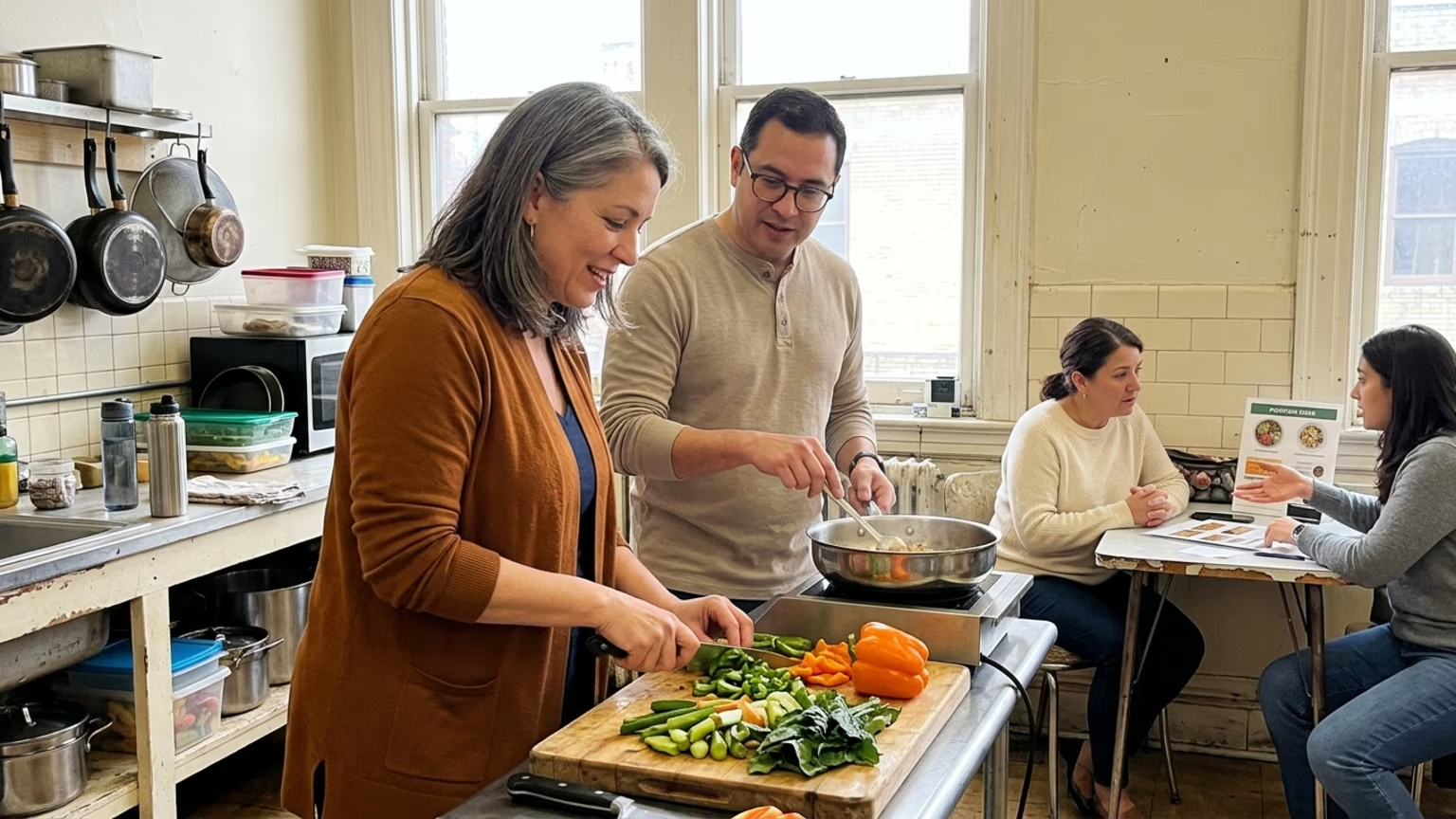

A UT Southwestern trial shows medical nutrition therapy significantly lowered HbA1c in type 2 diabetes, while remote cooking classes yielded smaller impacts.





In September 2026 UT Southwestern published new findings regarding metabolic interventions in Diabetes, Obesity, and CardioMetabolic CARE. A research team led a randomized clinical trial comparing two distinct approaches to care for adults with uncontrolled type 2 diabetes. The study evaluated an interactive culinary medicine program alongside standard medical nutrition therapy. Patients enrolled in the trial were actively receiving medical care through Parkland Health.
The clinical study originally enrolled 79 patients between November 2021 and February 2023. The primary goal of the researchers was to measure the resulting change in hemoglobin A1c. This specific blood marker tracks average blood glucose levels over an extended period. Researchers wanted to understand if teaching practical cooking skills could match the clinical outcomes of traditional dietary counseling.
The results highlight the immense value of individualized and structured nutrition care for chronic disease management. While culinary medicine has grown popular in wellness circles, this study tested its actual clinical efficacy. The research team sought to provide actionable data for adults seeking sustainable metabolic and weight improvements.
Managing type 2 diabetes effectively requires a careful approach to daily food intake and lifestyle habits. Current nutrition discussions in cardiovascular and metabolic care emphasize establishing lifelong food patterns rather than temporary diets. These dietary patterns focus heavily on vegetables and fruits alongside whole grains. They also incorporate legumes, nuts, fish, and unsaturated oils to support overall metabolic function.
Patients are also advised to limit saturated fat, sodium, and added sugars. Reducing alcohol intake and avoiding highly processed foods are equally important. To help patients implement these nutrition and eating strategies, the standard medical nutrition therapy program provided highly personalized instruction. Registered dietitians led these sessions to address concrete behavior targets with each individual patient.
Patients in the standard therapy group received specific guidance on setting practical eating goals. They were taught how to prepare balanced meals that fit their daily lives. The dietitians also focused heavily on reading food labels and understanding how carbohydrates affect blood glucose. This method prioritizes individualized macronutrient education over general motivation.
In contrast, the culinary medicine intervention took a collaborative and group-based educational approach. The classes combined physicians, registered dietitians, and chefs to facilitate broad nutrition discussions. Participants engaged in hands-on meal preparation, shared meals, and practical cooking skills development. This format attempts to translate clinical recommendations into tangible recipes and kitchen techniques.
Early in our research, we reviewed a study showing how just a few nights of poor sleep could significantly alter appetite hormones. It was a clear revelation. So many people were meticulously tracking their food but completely ignoring their sleep and stress levels. We immediately shifted our editorial focus to include recovery as a fundamental pillar of weight management alongside nutrition and movement.
At WeightRestart, we constantly see how a lack of structural support can derail metabolic progress. The standard nutrition counseling in this trial addressed the core mechanics of blood sugar control directly. By focusing on carbohydrate awareness and label reading, patients gained practical tools for everyday decision making.
Mainstream media frequently portrays cooking classes and food-based programs as a complete solution for metabolic diseases. However, the data from this trial tells a more complicated story about behavioral interventions. The clinical reality is that cook-along formats alone have not yet been proven to control blood glucose effectively. The standard therapy approach ultimately yielded statistically significant outcomes while the cooking classes did not.
The trial faced substantial real-world barriers that severely limited its statistical power and overall reach. The original study design involved six monthly in-person classes for all the enrolled participants. Unfortunately, COVID-19 disruptions forced the programs into completely remote and digital formats. Medical nutrition therapy was commonly delivered by telephone or Webex, while the culinary medicine classes moved to Zoom.
These sudden technological disruptions caused significant missing data and high attrition among the trial participants. Many patients missed medical visits or experienced difficulty using the unfamiliar video platforms. Consequently, the final data analysis included only 30 participants in the standard nutrition therapy group. Only 17 participants remained in the culinary medicine group by the end of the study.
Researchers faced another hurdle because they could not directly measure HbA1c at the beginning and end of the trial. Most study visits occurred remotely, which prevented direct clinical collection of blood samples. Instead, researchers had to extract these vital blood glucose values from patients' electronic health records. These limitations make the findings less generalizable to the broader type 2 diabetes population.
While cooking skills are valuable, their direct clinical impact on metabolic health remains uncertain. A 2026 systematic review found that cooking-skills development in healthy adults may improve selected dietary behaviors. These behaviors primarily included increased fruit and vegetable intake and overall cooking confidence. However, the review rated the certainty of evidence for these improvements as low or very low.
Culinary medicine may still be valuable as an implementation tool for daily life. It physically shows people how broad nutrition recommendations can be translated into actual meals. Still, learning to build sustainable meals around real life requires more than just cooking instruction. The data confirms that broad culinary education alone cannot override the need for precise macronutrient management.
Despite the small sample size and remote delivery format, the trial revealed distinct outcomes between the two groups. In the standard medical nutrition therapy group, HbA1c declined by 1.15 percentage points. This reduction was statistically significant and demonstrates the profound value of structured dietary counseling. The personalized approach allowed patients to effectively manage their blood glucose levels despite pandemic disruptions.
The culinary medicine group saw a smaller decline of 0.55 percentage points in their HbA1c levels. This reduction was not statistically significant, meaning it did not reach the clinical certainty threshold. The difference between the observed reductions was 0.60 percentage points in favor of standard nutrition therapy. Still, the trial was not large enough to establish that traditional therapy definitively outperforms culinary medicine in all settings.
It is important to remember that this study exclusively measured glycemic change in patients. The researchers did not measure durable weight loss, body-composition change, or diabetes remission. Readers must distinguish HbA1c improvement from sustained fat loss or changes in physical appearance. A lower HbA1c is clinically relevant, but this trial does not show that either intervention changed overall body composition.
Other current research highlights the profound importance of physical access to proper foods for metabolic outcomes. In a separate randomized trial, researchers tested medically tailored groceries for people with type 2 diabetes and social needs. That particular study showed HbA1c fell by 0.66 percentage points in the grocery-intervention group. The control group only saw a 0.25 point reduction, resulting in an adjusted between-group difference of 0.40 points.
This separate grocery study also reported significant improvements in daily food access for the participants. The odds of food security and nutrition security increased by 2.12 and 3.65, respectively. These secondary findings strongly suggest that metabolic outcomes depend heavily on the practical conditions in which people make decisions. Having the right ingredients available is just as vital as knowing how to cook them. Understanding the truth about processed foods helps patients make better choices, but access remains the ultimate barrier.
Study co-leader Michael Bowen provided helpful context for the clinical results of this unique trial. He stated that standard medical nutrition therapy has already been shown to improve diabetes outcomes in patients. He noted the culinary medicine result was encouraging but insufficient to demonstrate improved health outcomes. The remote delivery formats may not represent how either program would perform under normal operating conditions.
Study contributor Jaclyn Albin directed the UT Southwestern Culinary Medicine Program. She agreed that the study was too small to draw definitive conclusions about the culinary medicine format. She argued that larger clinical trials must be conducted to fully evaluate these hands-on educational programs. Future research should test whether combining evidence-based education, culinary skills, and expert support produces reliable clinical improvements.
For adults managing their metabolic health, the most defensible lesson from this data is that personalized structure matters. Patients should favor a nutrition plan that specifies practical targets for meal composition and portions. Use cooking classes as a complement to nutrition therapy when they help build confidence in the kitchen. Learning new recipes can help you implement a clinical plan, but it cannot replace personalized medical guidance.
If elevated HbA1c is a concern, ask your doctor about a referral to a registered dietitian. Structured therapy focuses on repeatable meal patterns and carbohydrate distribution rather than simply prescribing broad dietary rules. Patients should consistently track important outcomes over time. These include HbA1c, body weight, hunger levels, and the ability to maintain the plan over the long term.
WeightRestart shares research-led guidance on weight loss, metabolism, nutrition, strength, appetite, sleep and recovery. Our goal is to make complex health information clear, practical and useful for people building progress they can maintain.



Learn how to build a weight-management approach around better information, realistic expectations and habits you can keep using.
read the blog


